How to Use Bone Plates for Optimal Healing and Recovery?
Bone plates are essential tools in orthopedic surgery. They provide stability and support to fractured bones. Correct usage of these plates is crucial for optimal healing and recovery.
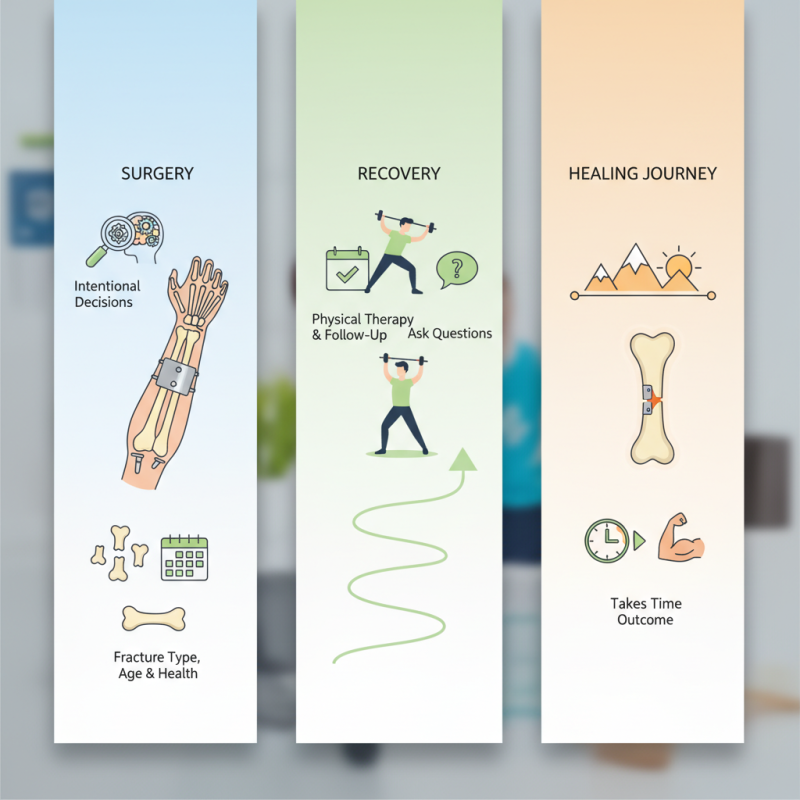
Understanding how to effectively use bone plates can significantly impact the success of a surgery. Surgeons must consider various factors such as the type of fracture, patient age, and overall health. Each decision should be intentional. Attention to detail is key, as overlooking minor aspects can lead to complications.
After surgery, patient care is just as important. Physical therapy and follow-up visits play a role in recovery. Patients should be aware of their healing process and ask questions. Embracing this journey means recognizing that healing takes time and effort. Each step, though challenging, contributes to a successful outcome.
Understanding Bone Plates: Types and Materials
Bone plates are vital tools in orthopedic surgery. They stabilize fractures and promote healing. Understanding the types and materials used in these devices is essential.
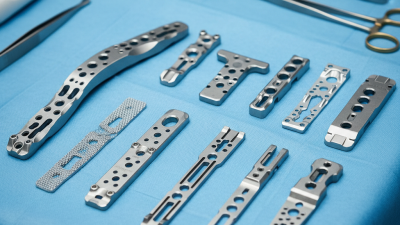
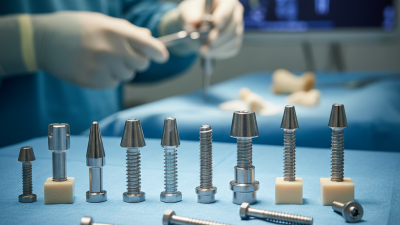
Typically, bone plates come in several types, including dynamic compression plates, locking plates, and plate-screw systems. Each type has its unique applications and benefits.
Materials are also crucial when selecting bone plates.
Stainless steel and titanium are the most common materials. Stainless steel offers strength and affordability.
However, titanium is lighter and more biocompatible. Some surgeons prefer titanium for specific patients, requiring softer bone fixation.
Nevertheless, the choice often depends on the fracture's nature and location.
While bone plates are effective, they are not without challenges.
Incomplete healing may occur if the plate does not fit properly.
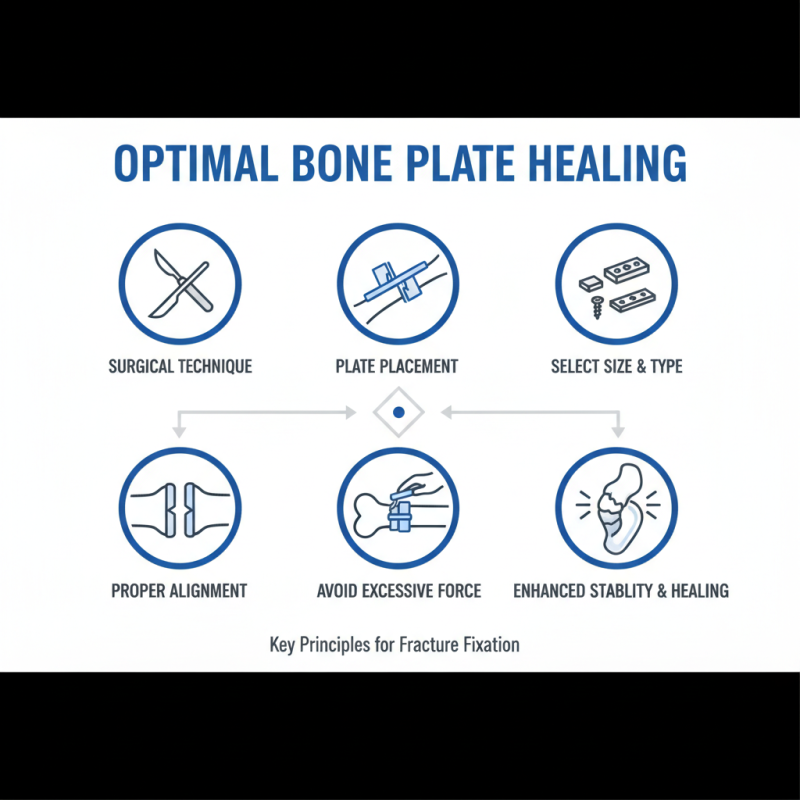
Surgeons sometimes face difficulty in positioning plates accurately. If the plate is misaligned, it can lead to complications.
Continued learning and adaptation are vital for improving outcomes with bone plates. Understanding each aspect can optimize recovery and healing times.
Indications for Bone Plate Surgery in Orthopedic Procedures
Bone plate surgery is crucial for various orthopedic procedures. Indications for using bone plates include fractures, deformities, and non-union issues. According to a study published in the Journal of Orthopedic Surgery, around 80% of complicated fractures require surgical intervention. The use of bone plates aids in structural support during the healing process.
Common indications include long bone fractures, particularly in the femur and tibia. A report from the American Academy of Orthopaedic Surgeons noted that 60% of patients experience positive outcomes with this method. However, not every case guarantees success. Factors like age, bone quality, and the type of fracture significantly influence the effectiveness of the procedure. Often, surgeons face the dilemma of choosing appropriate materials and techniques for individual cases.
Poor alignment or inadequate fixation can hinder recovery. The risk of complications, such as infection or plate failures, remains a concern. Surgeons must weigh the benefits against potential downsides. Monitoring patient recovery becomes essential in understanding the effectiveness of bone plate surgeries. Each case presents its unique challenges, calling for careful consideration and a tailored approach.
Bone Plates Usage for Optimal Healing and Recovery
Post-Operative Care and Rehabilitation Following Bone Plate Surgery
After bone plate surgery, post-operative care is crucial for healing. Keeping the surgical area clean and dry is vital. Follow your surgeon's instructions about dressings. Swelling is common, so elevate the injured area. Ice can help reduce inflammation. Monitor for signs of infection, like increased redness or unusual discharge.
Tips: Stay patient during this recovery. Healing takes time; don't rush back to activities. Engage in gentle range-of-motion exercises as suggested. They improve blood flow and reduce stiffness. It’s easy to overlook small pains; listen to your body’s signals.
Rehabilitation plays a key role too. Gradually introduce weight-bearing exercises per your doctor's guidance. This process will help restore strength and mobility. Celebrate small achievements in your recovery. Progress may be slow, but each step is important for your journey. Mistakes can happen. Adjust your activities as needed to avoid setbacks.
How to Use Bone Plates for Optimal Healing and Recovery? - Post-Operative Care and Rehabilitation Following Bone Plate Surgery
| Dimension |
Description |
Recommended Care |
| Weight-Bearing Status |
Indicates when and how much weight can be placed on the affected limb. |
Follow the surgeon's directives; typically starts with partial weight-bearing. |
| Pain Management |
Control pain levels to enhance recovery and comfort. |
Use prescribed medications; consider ice packs for swelling. |
| Physical Therapy |
Guided exercises to restore function and strengthen the area. |
Start therapy sessions as advised; focus on gradual progression. |
| Monitoring |
Regular checks to identify complications or issues early. |
Attend all follow-up appointments; report any unusual symptoms. |
| Nutrition |
Adequate nutrition to support healing and overall health. |
Incorporate a balanced diet rich in vitamins and minerals. |
Monitoring and Complications: Ensuring Optimal Healing with Bone Plates
Monitoring the healing process after bone plate surgery is crucial. Regular follow-up appointments help assess alignment and stability. X-rays can reveal how well the bone is mending. Patients should note signs of infection, such as redness or swelling. Pain should not increase beyond normal post-operative discomfort. Any unexpected changes in symptoms warrant immediate consultation.
Complications can arise, affecting healing quality. Non-union occurs when bones fail to heal properly. This can result from inadequate immobilization or infection. Patients might experience increased pain if a plate shifts. Sometimes, patients may struggle with rehabilitation exercises, causing them to delay recovery. Strengthening exercises must be approached carefully. Active monitoring and patient education are key to mitigating these risks. Open communication with healthcare providers enhances recovery outcomes.