Top 10 Screw Instrument Manufacturers for Global Buyers
Choosing a screw instrument supplier is not simply a matter of comparing catalog prices. Global buyers must examine precision, material quality, production consistency, and technical support. A driver that feels smooth in one test may slip under real operating pressure. Small defects matter.
Maurice E. Müller, a pioneer of modern internal fixation, repeatedly emphasized the importance of matching the instrument to the surgical task: “The surgeon must know the instrument, the implant, and the anatomy.” This principle still matters today. A reliable screw instrument should provide secure engagement, controlled torque, clear size identification, and dependable sterilization performance. Buyers should also review manufacturing experience, quality-control records, traceability systems, and international documentation. These details reveal more than polished product photographs.
Our “Top 10 Screw Instrument Manufacturers for Global Buyers” guide compares established suppliers through a practical purchasing lens. It considers product range, machining capability, customization, delivery reliability, after-sales service, and support for regulatory requirements. Some manufacturers appear highly capable, yet public information can remain incomplete. That limitation deserves attention. No ranking can replace sample testing, factory audits, or clinical evaluation by qualified professionals.
Look closely. Feel the fit.
The strongest supplier is not always the largest one. It may be the manufacturer that answers technical questions clearly, maintains stable tolerances, and responds responsibly when an instrument fails inspection. This guide helps purchasing teams reduce uncertainty and identify screw instrument partners suited to demanding medical environments.
What Screw Instruments Are and Why Global Buyers Need Them
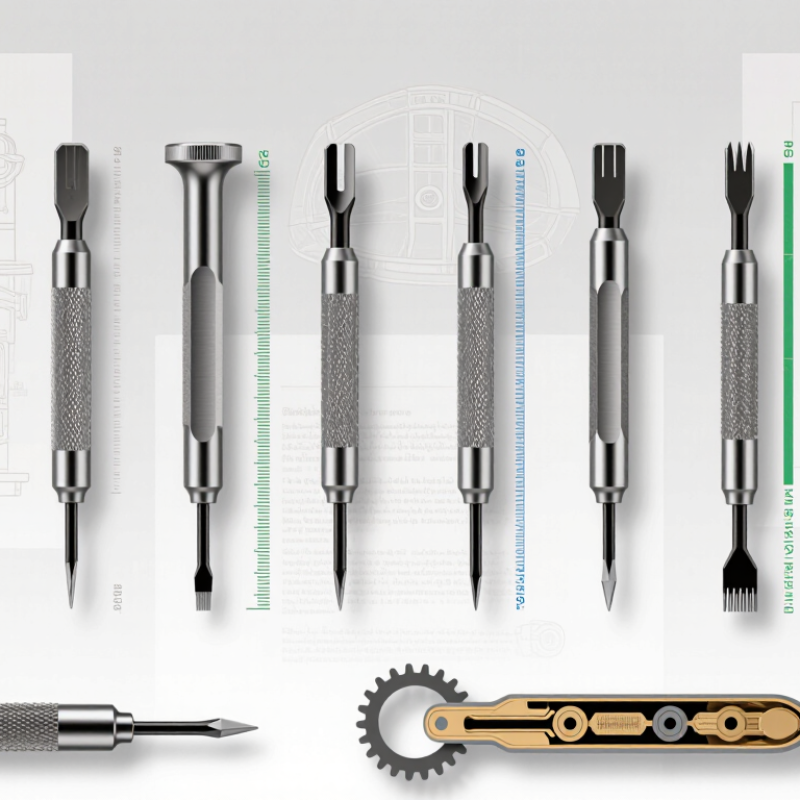
Screw instruments are tools designed to drive, tighten, loosen, or control threaded fasteners. They include manual screwdrivers, torque drivers, precision bits, and electronic fastening systems. Their shapes may look simple, but small design differences affect grip, alignment, and torque accuracy. A poorly matched bit can damage both the screw head and the workpiece.
Global buyers need these instruments across electronics, machinery, furniture, construction, and equipment maintenance. Consistent fastening protects product quality and reduces rework. In production lines, controlled torque helps prevent loose joints, cracked housings, and stripped threads. Manual tools suit repair work, while calibrated torque instruments support repeatable factory assembly. The correct choice depends on screw type, material, working space, and required force.
Reliable sourcing requires more than checking the catalogue photograph. Buyers should review material strength, handle comfort, bit hardness, torque range, calibration records, and replacement support. Inspectors can test several samples rather than trusting one unit. Packaging also matters when tools cross humid regions or travel long distances. Certification documents may help, but they do not replace physical inspection. Some low-cost instruments perform well at first, then lose accuracy quickly. That possibility deserves attention. Even experienced buyers can overlook user fatigue, especially during high-volume assembly. A practical trial with real screws often reveals problems that specifications hide.
Torque Reference Points for Screw Instruments
Screw instruments are tools used to drive, tighten, loosen, or control screws. Global buyers compare torque capacity carefully because precision assembly, general fastening, and heavy-duty maintenance require very different torque levels. The chart uses standard torque reference points and converts newton-metres (N·m) to pound-force inches (lbf·in), using 1 N·m = 8.85075 lbf·in.
How to Evaluate Screw Instrument Manufacturers Step by Step
Top 10 Screw Instrument Manufacturers for Global Buyers
How to Evaluate Screw Instrument Manufacturers Step by Step
Begin by defining the screw instruments you actually need. Record dimensions, material, torque range, surface finish, and expected service conditions. A supplier should explain how each specification affects performance. Vague answers deserve caution. Ask for technical drawings, material certificates, inspection procedures, and sample measurements.
Review manufacturing evidence, not polished promises. Check machining equipment, calibration records, process controls, and operator training. Request a sample inspection report with tolerances clearly marked. If possible, test several samples under realistic loads. Observe thread accuracy, grip comfort, corrosion resistance, and repeated-use stability. Small flaws often appear after many cycles.
Then examine delivery reliability and technical support. Confirm production capacity, lead times, packaging methods, replacement policies, and communication procedures. A dependable manufacturer should identify risks before accepting an order. Compare quotations line by line, including tooling, testing, shipping, and future adjustments. The cheapest offer may conceal weak inspection or inconsistent batches.
It happens.
Ask whether the manufacturer can support audits or third-party verification. Review relevant quality certifications, but do not treat certificates as proof of every claim. Speak with experienced users when available. Keep written records of questions and responses. No checklist is perfect. Your assumptions may also need testing. A careful trial order, followed by documented feedback, usually reveals more than a confident sales presentation.
Top 10 Screw Instrument Manufacturers for Global Buyers
Top 10 Screw Instrument Manufacturers for Global Buyers
Global buyers need more than a long supplier list. They need measurable reliability. The World Machine Tool Survey 2023 reported global machine-tool consumption above US$80 billion in 2022, showing strong demand for accurate production equipment. For screw instruments, evaluate torque stability, dimensional repeatability, material traceability, and service coverage. Ask for calibration records. Request sample inspection data. Do not rely on catalog images alone.
Quality systems matter. The ISO Survey 2023 recorded more than 1.2 million ISO 9001 certificates worldwide. However, certification is only one signal. A capable manufacturer should explain testing frequency, corrective actions, spare-part availability, and export documentation. Buyers should also compare lead times under normal and peak conditions. Some suppliers promise quickly, then revise schedules. That weakness is easy to miss.
Tips: Build a scorecard before contacting the top ten manufacturers. Give quality, accuracy, delivery, and technical support separate scores. Confirm whether measurements follow ISO or national standards. Check packaging for moisture protection and impact control. A video audit can reveal useful details, but it cannot replace an onsite review. I would also test a small batch first. It costs more initially, yet one overlooked tolerance problem can damage an entire production run.
Comparing Quality, Product Range, Compliance, and Support
Top 10 Screw Instrument Manufacturers for Global Buyers
Comparing Quality, Product Range, Compliance, and Support
Selecting among the top ten screw instrument manufacturers requires more than comparing catalog prices. Experienced buyers inspect material certificates, machining tolerances, surface finish, and tool balance. A well-made driver should engage the screw cleanly, without visible wobbling or premature wear.
Quality becomes clearer during sampling. Ask for torque-test records, dimensional reports, and batch traceability. Small details matter. Check the handle grip, tip hardness, packaging protection, and markings after repeated use. Some suppliers look excellent on paper, yet their samples reveal inconsistent polishing or loose fittings.
Product range also affects purchasing efficiency. Strong manufacturers may offer drivers, holders, torque-limiting tools, extraction instruments, and compatible accessories. Confirm whether sizes, interfaces, and replacement parts remain available for future orders. A broad range is useful only when specifications stay consistent.
Compliance deserves careful review. Reliable suppliers can provide quality-system certificates, material declarations, inspection records, and export documentation. Requirements may differ by destination and application. Do not accept vague claims. Request current documents and verify their scope with an independent source when possible. Support is equally practical: clear quotations, responsive engineering contacts, stable lead times, and useful after-sales handling reduce operational risk. My own review process is not perfect; I sometimes weigh documentation too heavily and overlook communication delays. That weakness matters, because a technically capable supplier can still create costly problems when questions remain unanswered.
How to Choose the Right Manufacturer for Your Market
Choosing a screw instrument manufacturer requires more than comparing catalog prices. In my sourcing experience, the strongest evaluation begins with market fit. A trauma hospital may need durable stainless-steel drivers, precise torque control, and rapid sterilization cycles. A smaller distributor may prioritize compact kits, documentation, and flexible minimum orders.
Check whether the manufacturer operates under ISO 13485 and can provide traceability for each critical component. The International Medical Device Regulators Forum emphasizes risk-based quality management across the device lifecycle. That matters when instruments contact implants or enter sterile workflows. Ask for material certificates, cleaning validation, fatigue testing, and dimensional inspection records. Paperwork alone is not enough.
Market data also deserves careful reading. The World Health Organization reported in its 2022 Global Report on Assistive Technology that more than 2.5 billion people need assistive products worldwide. This signals expanding healthcare demand, but it does not guarantee equal demand for every screw system. Regional reimbursement, surgeon training, import controls, and hospital budgets can change the result. Compare failure rates, repair response times, and training support beside unit cost. A cheaper instrument that causes alignment problems is not cheaper. I would also request samples and run repeated torque tests before signing a long contract. My own assessment can still be incomplete; local surgeons should challenge it.