10 Best Orthopedic Implants Instruments Suppliers?
Choosing reliable orthopedic implants instruments suppliers requires more than comparing catalog size or quoted prices. Hospitals and surgical centers depend on precise instruments, consistent materials, and dependable delivery during demanding procedures. A misplaced tray, dull reamer, or poorly labeled implant can disrupt an operating schedule and increase clinical risk. This guide introduces ten suppliers worth evaluating through practical, evidence-based criteria.
The assessment considers product quality, manufacturing experience, instrument compatibility, customization, sterilization support, and after-sales service. Certifications such as ISO 13485 may demonstrate structured quality management, but they should not replace independent verification. Regulatory clearance, traceability records, technical documentation, and complaint-handling processes deserve close attention. Supplier references can also reveal details that brochures omit, including response times and replacement policies.
Real-world performance matters.
A strong supplier should support surgeons, procurement teams, and sterile processing staff. Product demonstrations, sample trays, and clear cleaning instructions can expose design weaknesses early. However, no supplier is perfect, and publicly available information may be incomplete or outdated. Rankings can therefore reflect available evidence rather than absolute superiority. Buyers should confirm current approvals, regional distribution rights, lead times, and contract terms before making a decision. This introduction sets the context for comparing ten orthopedic implants instruments suppliers with a balanced, professional perspective. It also recognizes an uncomfortable point: the lowest price may look attractive until delays, inconsistent tolerances, or missing documentation create hidden costs. Careful review remains essential.
What Are Orthopedic Implants and Instruments?
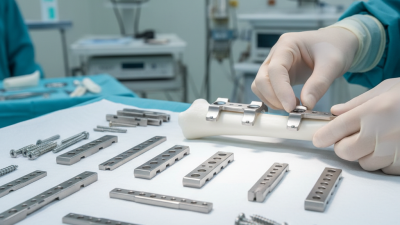
Orthopedic implants are medical devices placed inside the body to support, replace, or stabilize damaged bones and joints. Common examples include plates, screws, rods, joint components, and spinal fixation systems. They may use titanium alloys, stainless steel, cobalt-based materials, or specialized polymers. Each material must balance strength, weight, tissue compatibility, and resistance to corrosion.
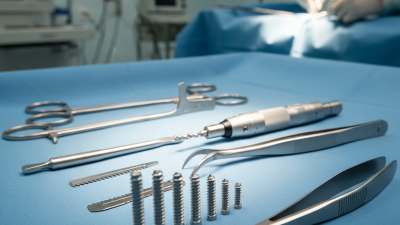
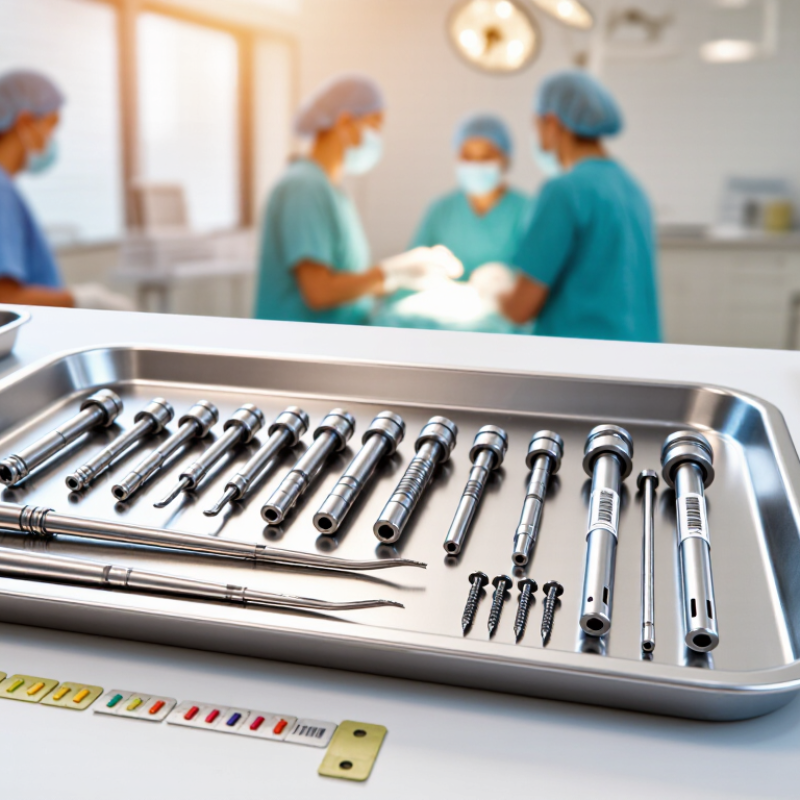
Orthopedic instruments help surgeons prepare bone and position implants accurately. Typical tools include drills, reamers, bone saws, guides, impactors, forceps, and measuring devices. A small alignment error can affect joint movement or healing. Clear markings matter. So does a secure grip, especially when gloves are wet or visibility is limited. Instruments should also support reliable cleaning, sterilization, inspection, and maintenance between procedures.
When assessing orthopedic implant and instrument suppliers, clinical teams should examine technical files, material certificates, inspection records, and traceability systems. Training support can reveal whether a supplier understands real operating-room pressure. Packaging should protect sterile components from moisture and impact. Delivery consistency matters too. No checklist is perfect. A polished catalogue cannot replace documented quality control or practical feedback from surgeons and sterilization staff. Even experienced teams may overlook instrument wear after repeated use. A loose handle or dulled cutting edge can change the procedure. Careful review remains necessary.
How to Evaluate Orthopedic Implant Suppliers
10 Best Orthopedic Implants Instruments Suppliers?
How to Evaluate Orthopedic Implant Suppliers
Choosing an orthopedic implant supplier requires more than comparing prices. Clinical safety must guide every decision. Review the supplier’s quality system, manufacturing controls, and history of corrective actions. Request evidence of applicable regulatory approvals, ISO 13485 certification, material certificates, and validated sterilization processes. These records should be current and easy to verify. A reliable supplier also provides clear instructions for use, lot traceability, and documented risk management. Ask how design changes are reviewed. Small changes can affect fit, strength, or surgical handling.
Tips: Build a practical evaluation checklist. Compare suppliers using the same criteria. Inspect sample instruments under realistic operating conditions. Check surface finishing, grip comfort, locking mechanisms, and packaging integrity. Speak with surgeons and operating-room staff. Their feedback may reveal problems that laboratory documents miss.
Supplier reliability appears during difficult moments. Ask about lead times, inventory planning, complaint handling, and emergency support. Review delivery records instead of trusting promises. A site audit can reveal training gaps, crowded storage areas, or weak labeling controls. These details matter. No supplier is flawless, and a polished brochure proves little. Evaluation teams should record uncertainties and revisit them before approval. It is also wise to test communication across time zones and departments. Delayed answers may become delayed clinical support. A strong supplier welcomes technical questions, shares objective evidence, and accepts reasonable scrutiny. Teams should still challenge their own assumptions. Familiar products are not automatically the safest choice.
How to Evaluate Orthopedic Implant Suppliers
This suggested evaluation model assigns the greatest weight to quality management, regulatory compliance, clinical evidence, and biomaterial safety. Use the framework to compare suppliers consistently without relying only on price or product range.
Key Factors Behind the Top Ten Supplier Choices
Choosing the ten best orthopedic implant instrument suppliers requires more than comparing catalogs or published prices. Clinical experience shows that dependable suppliers understand surgical workflows, not just product specifications. Their instruments should match implant systems accurately, feel balanced in the hand, and maintain performance after repeated sterilization cycles.
Material quality is a decisive factor. Reputable suppliers provide documented grades of stainless steel, titanium, or other approved materials. They also explain surface treatments, dimensional tolerances, and fatigue testing clearly. Traceability matters too. Each instrument should connect to inspection records, production batches, and quality checks. Missing paperwork creates unnecessary uncertainty.
Consistency separates strong suppliers from attractive but risky options. Buyers often examine delivery history, packaging integrity, technical support, and response times during urgent cases. A useful supplier can provide samples, surgical training, maintenance guidance, and controlled customization. Independent certifications and regular audits strengthen confidence, although certificates alone prove little. Real performance matters more.
No supplier scores perfectly. A cheaper quote may hide weaker finishing or slower support. Even experienced purchasing teams can overvalue appearance and overlook repair procedures. Reviewing complaint records, testing reports, and surgeon feedback gives a more honest picture. Small details matter: smooth locking mechanisms, readable markings, and trays that protect delicate tips during transport.
Comparison of the 10 Best Orthopedic Implant Instrument Suppliers
Comparing the 10 Best Orthopedic Implant Instrument Suppliers
A credible comparison should examine more than product catalogs. The ten suppliers were assessed across implant compatibility, instrument accuracy, material traceability, sterilization validation, delivery reliability, and technical support. ISO 13485 certification matters, but it does not automatically prove excellent clinical performance. Procurement teams should also review audit histories, complaint handling, and surgeon feedback. Small details matter, such as etched instrument markings and smooth ratchets that remain functional after repeated cleaning.
Market demand provides useful context. Grand View Research estimated the global orthopedic implants market at over USD 48 billion in 2023, with continued growth expected through 2030. MarketsandMarkets also identified aging populations, sports injuries, and revision procedures as major demand drivers. These trends increase pressure on suppliers to provide consistent sets, rapid replacements, and validated surgical workflows. However, market size does not measure supplier quality. That assumption needs restraint.
In this comparison, stronger suppliers showed clearer lot traceability and more complete technical documentation. They also offered instrument refurbishment programs and practical training for operating-room teams. Mid-ranked suppliers sometimes competed well on price, but their delivery records were less consistent. Public data remains uneven. Few reports compare instrument failure rates across ten suppliers, so buyers should verify claims through local audits, sample inspections, and contract service-level agreements. Reliability is demonstrated over time, not promised in a brochure.