What is Orthopedic Surgical Items and Their Importance in Medicine?
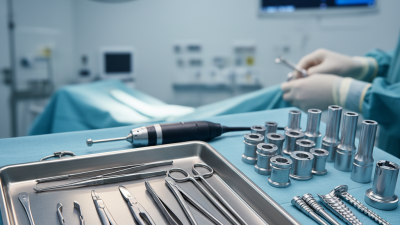
Orthopedic surgical items play a critical role in modern medicine. These tools and devices assist in the diagnosis and treatment of musculoskeletal issues. According to the Global Orthopedic Device Market Report, the industry is projected to reach $62 billion by 2028. This growth indicates the increasing demand for high-quality orthopedic surgical items.
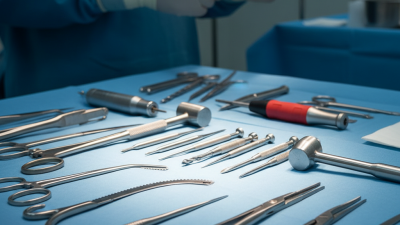
In the operating room, orthopedic surgical items include plates, screws, and joint prosthetics. Each item must meet strict standards for safety and effectiveness. A report from the American Academy of Orthopaedic Surgeons states that over 4 million orthopedic surgeries are performed annually in the U.S. alone, highlighting the importance of reliable surgical instruments. However, not every product on the market meets these high standards. Quality control failures can lead to complications during surgery, emphasizing the need for continuous evaluation and improvement.
The continuous evolution of orthopedic surgical items reflects advancements in technology. Nevertheless, the industry still grapples with challenges such as costs and accessibility. Companies must strike a balance between innovation and affordability. As the sector grows, there is room for reflection on how to ensure that all patients receive the best care possible.
Definition and Overview of Orthopedic Surgical Items
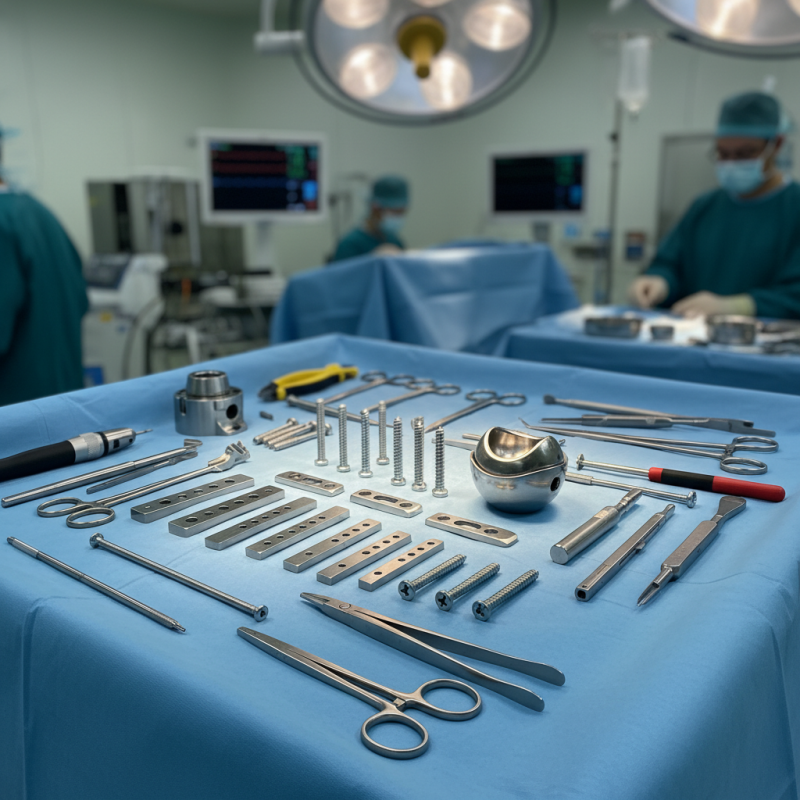
Orthopedic surgical items refer to the instruments and devices used in orthopedic surgery. These items are crucial for treating bone and joint conditions. They assist surgeons in repairing injuries, correcting deformities, and replacing damaged joints. According to a recent market report, the global orthopedic surgical instrument market is expected to reach $12 billion by 2025. This shows the increasing demand for advanced orthopedic procedures and technologies.
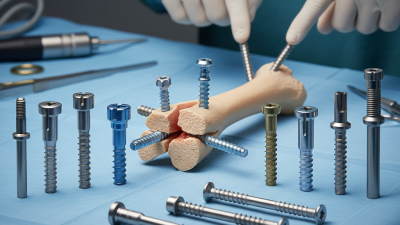
The range of orthopedic surgical items includes plates, screws, and surgical instruments. Each item serves a specific purpose in the surgical process. For instance, screws help to secure bone fragments during healing. Plates provide stability and support for fractured bones. However, the effectiveness of these items can vary. Studies show that not all surgical items are created equal. Surgeons must select the right tools for each unique case.
In this evolving field, challenges persist. There is a need for continuous innovation and improvement. Additionally, training is essential for surgical teams to effectively use these complex tools. As technology advances, it is vital to assess and adapt to new developments. Reflections on past procedures can lead to better outcomes in future surgeries. Ethical considerations also arise regarding the use and cost of these essential items.
Importance of Orthopedic Surgical Items in Medicine
Types of Orthopedic Surgical Instruments and Their Functions
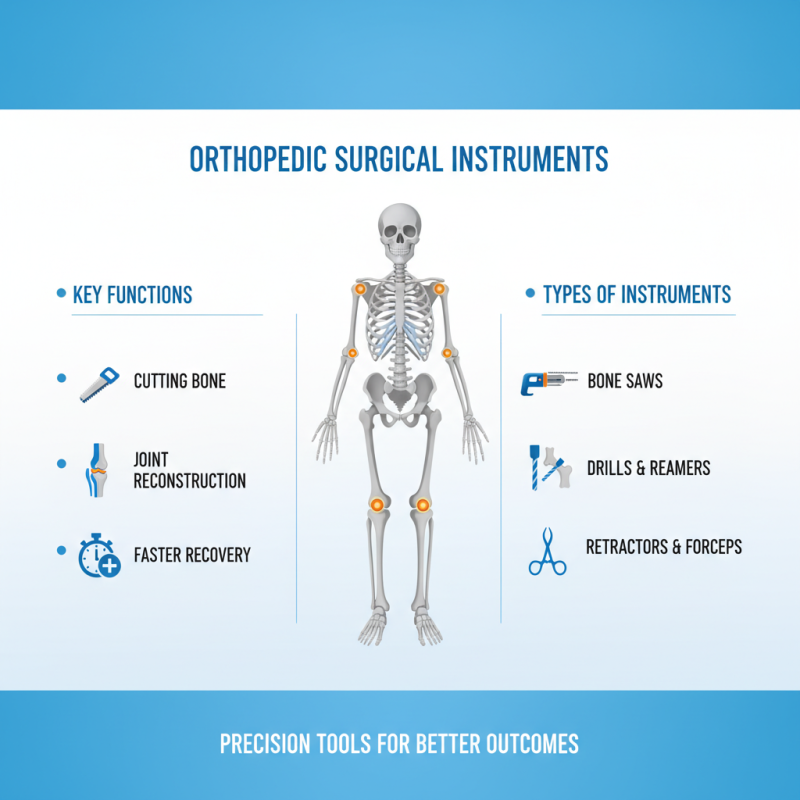
Orthopedic surgical instruments are crucial in improving patient outcomes. They are specifically designed for procedures related to bones and joints. Various types of instruments serve distinct functions. For example, bone saws are essential for cutting through tough bone tissue. They ensure precision and reduce recovery time.
Surgical drills are another vital tool. They create holes in bones for screws or pins, ensuring stability after fractures. According to industry reports, the global orthopedic instruments market was valued at approximately $25 billion in 2021 and is expected to grow significantly. This highlights the increasing reliance on advanced surgical instruments in modern medicine.
However, the surgical environment is still prone to errors. For instance, improper use of instruments can lead to complications. Inadequate training on these tools is a concern in some facilities. It's essential to address these gaps to improve surgical outcomes. Each instrument plays a role, but their effectiveness largely depends on the surgeon's skill and knowledge.
Significance of Orthopedic Items in Surgical Procedures
Orthopedic items play a crucial role in modern surgical procedures. These tools and devices help surgeons repair bones, joints, and ligaments effectively. Specific instruments such as bone screws, plates, and prosthetics enable precise alignment and stabilization during operations. This precision directly influences patient recovery and overall outcomes.
When considering the significance of orthopedic items, it’s important to remember their evolution. Many instruments have changed over the years, driven by technological advancements. Some techniques may seem outdated now, inviting reflection on past practices. Each innovation aims to improve success rates and minimize complications, but this is a constant process.
Tips: Always consult with orthopedic specialists about the newest equipment. Patient safety must remain a top priority. For medical professionals, staying updated on emerging trends enhances surgical practices. Continual learning can result in better outcomes for patients.
Advancements in Orthopedic Surgical Technology
Orthopedic surgical technology has made significant strides in recent years.
Advanced imaging techniques now allow surgeons to see inside the body with remarkable detail.
For instance, MRI and CT scans provide critical information before surgery. This leads to better surgical planning and outcomes.
According to a report by MarketsandMarkets, the global orthopedic surgical market is expected to reach $58.66 billion by 2025.
This growth reflects a rising demand for innovative surgical solutions.
Robotics and minimally invasive techniques improve recovery times. These advancements reduce hospital stays and complications.
For example, robotic-assisted surgeries enable precise implant placement. Studies show that patients experience less pain and quicker rehabilitation.
However, the high costs of these technologies challenge their accessibility. Financial limitations may lead to inequities in patient care.
Tip: Always discuss the potential benefits and risks of new technologies with healthcare providers to make informed decisions.
Surgeons are also leveraging 3D printing in orthopedic procedures.
Custom implants can be created for individual patients. This personalization can enhance fit and functionality.
Nonetheless, the technology is still evolving. There are questions around the longevity and biocompatibility of 3D-printed materials.
Continuous research is needed to ensure their effectiveness over time.
Tip: Stay updated on new studies and innovations in orthopedic surgery that may affect treatment options.
Future Trends in Orthopedic Surgical Tools and Practices
The field of orthopedic surgery is evolving rapidly. New tools and technologies are transforming how surgeries are performed.
Robotics and minimally invasive techniques are becoming more common. These advancements aim to enhance precision and reduce recovery time.
However, they also come with challenges. Training for these new tools is essential but can be inconsistent across different regions.
Telemedicine is another emerging trend. It allows specialists to consult with patients remotely.
While this has made access to care easier, it raises concerns about the quality of assessments. In some cases, physical examinations are difficult to replace.
The reliance on technology may lead to diagnostic oversights or misinterpretations.
Surgeons and patients need to find a balance between innovation and traditional methods.
Patient-centered approaches are at the forefront of future trends. Personalized medicine tailors treatments to individual needs.
This is promising, but not all patients may receive equal care. Socioeconomic factors can create disparities in who benefits most from these advancements.
Addressing these inequalities is crucial for the future of orthopedic practices.