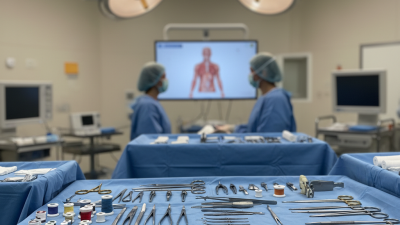
What are Orthopedic Implants Instruments and Their Uses?
Orthopedic implants instruments play a vital role in modern medicine. They assist surgeons in treating various musculoskeletal conditions. These instruments ensure precise placement and stabilization of implants during surgeries.
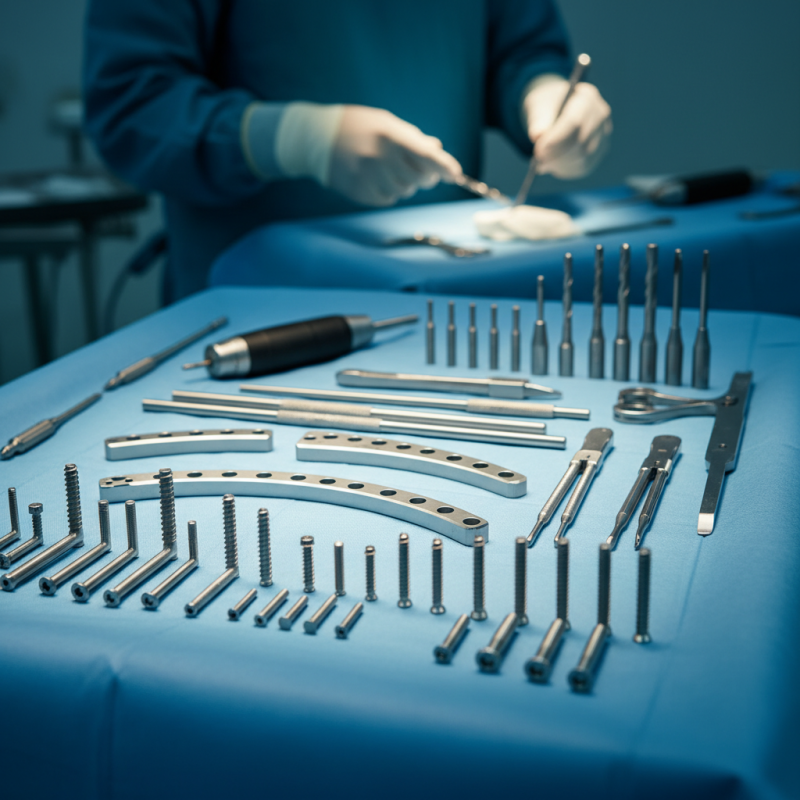
Orthopedic surgery involves complex procedures. Surgeons rely on a variety of instruments to achieve optimal outcomes. For instance, screws, plates, and rods are common types used. Each has specific functions, helping to support bone healing.
However, the use of these instruments is not without challenges. Improper use can lead to complications. Training and experience are crucial for surgeons. Understanding the nuances of orthopedic implants instruments can improve patient care and surgical success. Balancing their use with careful consideration is essential in this field.
Definition of Orthopedic Implants Instruments
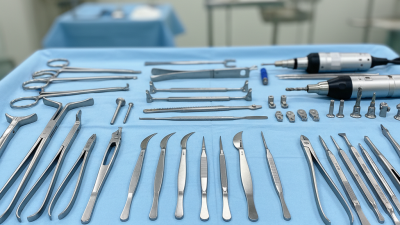
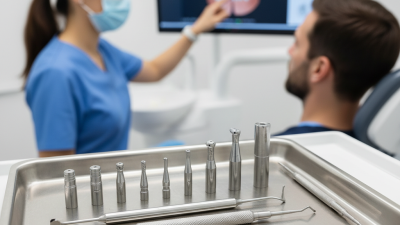
Orthopedic implant instruments are essential tools used in the field of orthopedic surgery. They facilitate the placement, adjustment, and removal of implants in various musculoskeletal procedures. These instruments range from simple hand tools to complex devices designed for minimally invasive techniques. Surgeons rely on these instruments to ensure precision and accuracy during surgeries. This reliability directly impacts patient recovery and the success of the surgery.
The definition of orthopedic implant instruments encompasses several types of tools. Some common examples include screwdrivers, drills, and forceps. Surgeons often use these instruments to position screws or plates that stabilize fractured bones. However, the diverse nature of these tools can sometimes be overwhelming, leading to confusion during surgeries. Training and practice are vital but not always sufficient. Each procedure presents unique challenges that might require adapting these tools on the fly.
Despite their importance, not all instruments perform perfectly every time. Issues such as wear, contamination, or improper technique can lead to complications. Surgeons must remain vigilant and continuously evaluate their tools. Learning from each surgical experience is crucial for improving outcomes. The challenge lies in balancing technology and hands-on skill in this complex field.
Types of Orthopedic Implants and Their Specific Uses
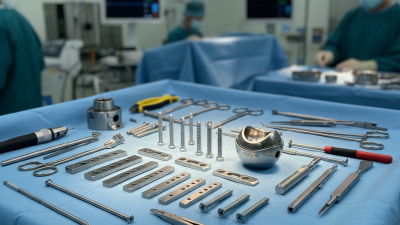
Orthopedic implants come in various types, each designed for specific conditions. Plates are flat metal devices used to stabilize broken bones. They are often used in leg and arm fractures. Screws provide additional support to these plates. They help hold fractured pieces in place as they heal.
Another type is the rod, commonly used in spinal surgeries. These long, cylindrical implants support the spine, aligning it during recovery. Pins and wires can also play a role. They are utilized in minimally invasive surgeries to stabilize bones.
Despite advancements, challenges remain. Some patients may experience several complications, such as infection or implant failure. Surgeons must carefully assess each patient's unique situation to determine the best implant. Balancing effectiveness and safety is crucial in orthopedic care.
Types of Orthopedic Implants and Their Specific Uses
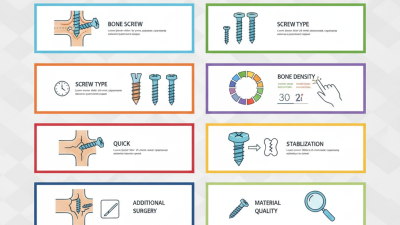
This chart illustrates the various types of orthopedic implants and their specific uses in the medical field.
Common Materials Used in Orthopedic Implants Instruments
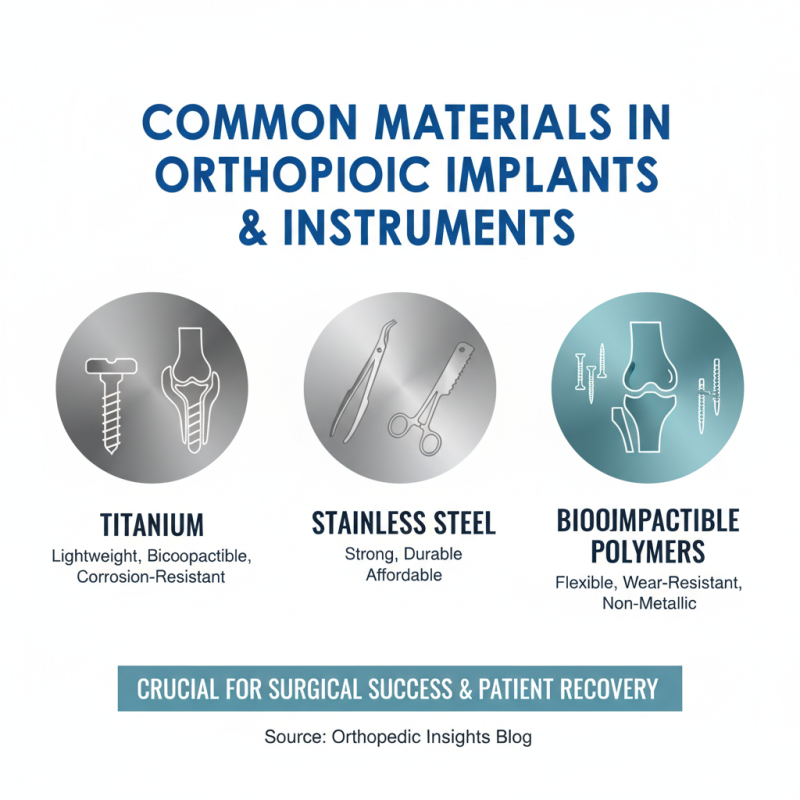
Orthopedic implants instruments play a crucial role in surgeries. They help in fixing bone fractures and joint problems. The materials used in these instruments are vital for their performance and durability. Commonly employed materials include titanium, stainless steel, and biocompatible polymers. Each material serves a specific purpose and has unique properties.
Titanium is often preferred for its strength and light weight. It does not corrode easily, making it ideal for long-term use in the body. Stainless steel is another popular choice, known for its toughness. However, it can be less flexible than titanium. Biocompatible polymers like PEEK are increasingly used for specific applications due to their compatibility with body tissues.
Despite the advancements, there are challenges. Some materials may cause allergies in certain patients. Others may fail under extreme stress, leading to complications. Surgeons must evaluate these factors carefully before selecting the appropriate implant instrumentation. It's critical to continually assess the materials' performance in clinical settings. This ongoing reflection helps improve future orthopedic practices.
Techniques and Procedures Involving Orthopedic Implants
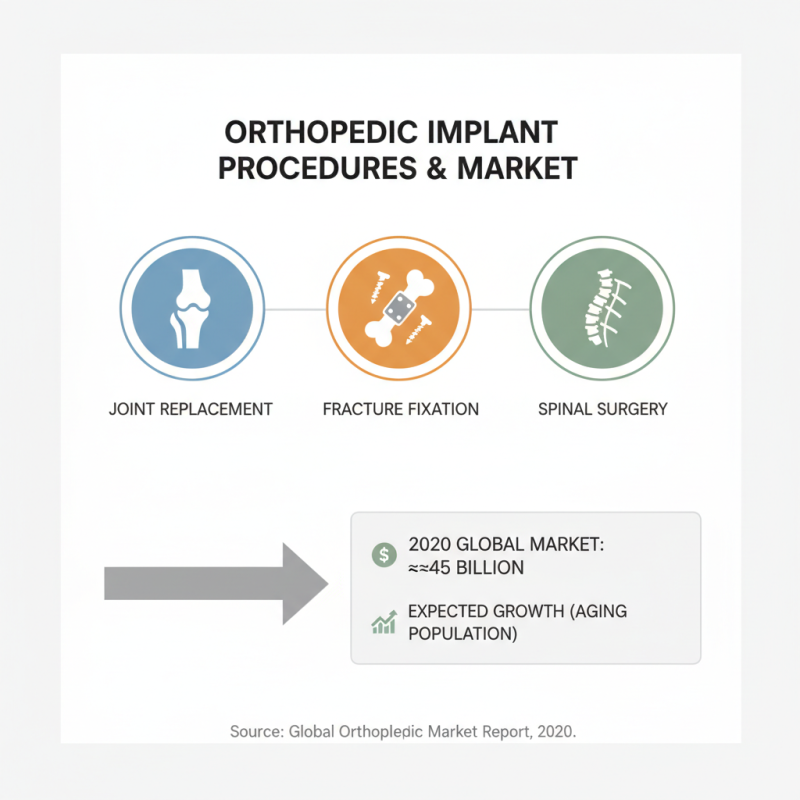
Orthopedic implants play a crucial role in correcting various musculoskeletal issues. Surgeons use these devices in a variety of techniques and procedures. Common procedures include joint replacement, fracture fixation, and spinal surgery. In 2020, the global orthopedic implant market was valued at approximately $45 billion. This number is expected to grow as the aging population increases.
One major technique is minimally invasive surgery (MIS). MIS often results in less pain and faster recovery. It reduces hospital stays and lowers the risk of complications. Many orthopedic implants, such as screws and plates, are designed to support these techniques effectively. However, some patients may experience difficulties with implant integration. Regular follow-ups are vital to address any issues.
**Tip:** Always discuss potential complications with your surgeon before the procedure. Understanding risks helps in making informed decisions.
Another significant procedure involves spinal implants used for stabilization. Spinal fusion surgeries have gained popularity, with a reported success rate of around 70-90%. However, the recovery process can be lengthy. Some patients struggle with mobility post-surgery. It’s essential to engage in prescribed rehabilitation exercises to aid recovery.
**Tip:** Adhering to a rehabilitation plan can enhance healing. Don't hesitate to ask your healthcare provider about concerns.
Future Innovations in Orthopedic Implant Technology
The field of orthopedic implants is advancing quickly. New innovations are shaping how surgeons operate. 3D printing technology is becoming a game-changer. Custom implants can fit individual patients perfectly. This process reduces surgery time and recovery periods.
Robotics is also making strides. Robotic-assisted surgeries enhance precision. Surgeons can operate with greater control. However, these technologies still have limitations. Initial costs can be high, and training is essential. Not every hospital can afford these advancements.
Biomaterials are evolving too. New synthetic and biological materials are being developed. They aim to improve the body's integration with implants. Yet, the long-term effectiveness of these materials is still being studied. Continuous research is crucial to ensure patient safety and successful outcomes. The journey of innovation is ongoing, with exciting possibilities on the horizon.
What are Orthopedic Implants Instruments and Their Uses? - Future Innovations in Orthopedic Implant Technology
| Instrument Name |
Type |
Primary Use |
Material |
Future Developments |
| Screws |
Fixation Device |
Bone stabilization |
Titanium/ Stainless Steel |
Biodegradable options |
| Plates |
Fixation Device |
Bone alignment |
Titanium/ Stainless Steel |
3D-printed custom models |
| Nails |
Intramedullary Device |
Fracture fixation |
Titanium/ Stainless Steel |
Smart nails with sensors |
| Cages |
Spinal Device |
Intervertebral fusion |
Polyether ether ketone |
Biological material integration |
| Prosthetic Joints |
Joint Replacement |
Joint repair |
Cobalt-Chromium Alloys |
Enhanced wear resistance |