What is a Locking Screw and How Does It Work?
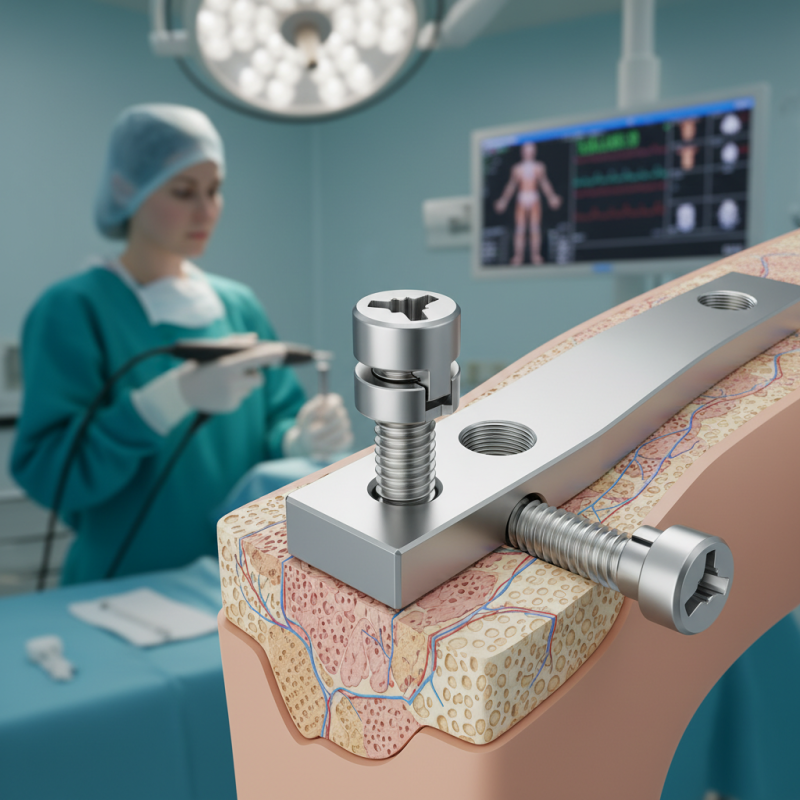
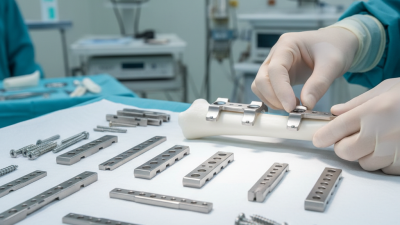
In the world of orthopedic surgery, a locking screw is a crucial innovation. Dr. Emily Harper, a leading orthopedic surgeon, states, "Locking screws provide stability in complex fractures." This highlights their significant role in modern medical practices.
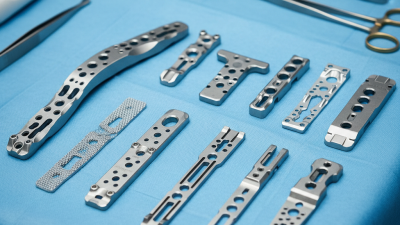
Locking screws differ from traditional screws. They secure plates to bones using a unique design. This method enhances stability and promotes healing. Surgeons frequently rely on these devices in various procedures.
Yet, the use of locking screws is not without challenges. Some surgeons may find the technique complicated. There is a learning curve associated with their implementation. Innovators continue to refine locking screw technology, reflecting ongoing progress. Understanding these complexities is vital for better patient outcomes.
What is a Locking Screw?
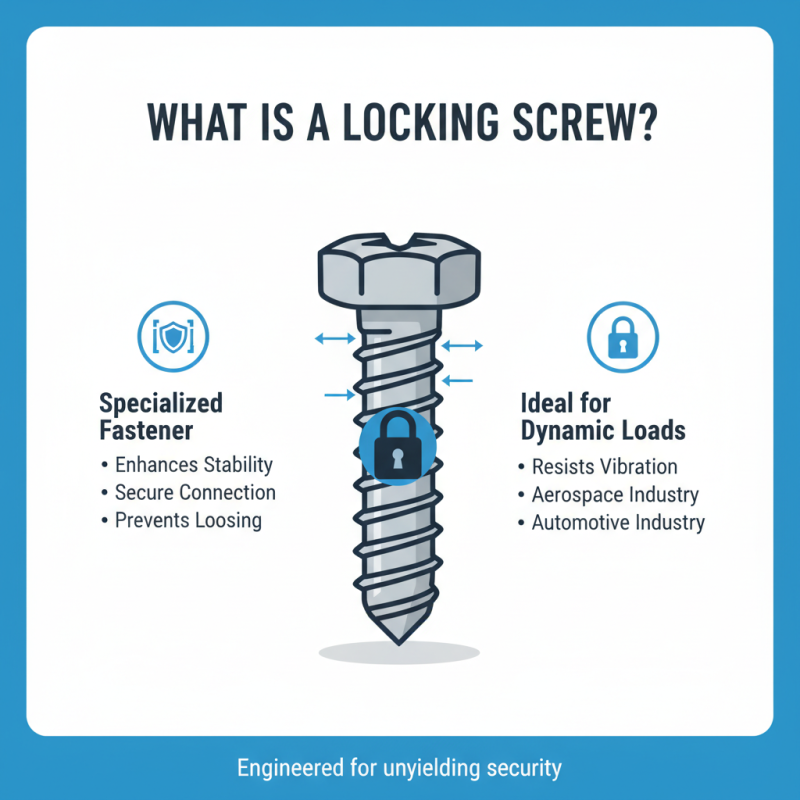
A locking screw is a specialized fastener designed to enhance stability in mechanical assemblies. It features a unique design that provides a secure connection, preventing loosening under dynamic loads. This screw is often used in applications where vibration is a concern, such as in aerospace and automotive industries.
The key to a locking screw's functionality lies in its threading mechanism. Unlike standard screws, it has additional features, such as an angled or double-thread profile. These designs create friction, which holds the screw tightly in place. This can be crucial for safety in critical installations. However, improper installation can lead to failure, so precise torque specifications are important.
Locking screws are often paired with locking plates or nuts for additional security. This combination can complicate disassembly, leading to challenges during maintenance. One must consider the trade-offs between security and ease of access. Overall, a locking screw serves as a reliable solution in numerous applications, but its complexity requires careful consideration.
The Components of a Locking Screw
A locking screw is a specialized fastener designed to secure two components together while preventing loosening. It plays a crucial role in various applications, including mechanical systems and orthopedic surgeries. Understanding its components can help demystify how it functions effectively.
The main parts of a locking screw include the screw body, the thread, and a locking mechanism, often a set screw or a shoulder. The screw body is typically made of strong materials, such as titanium or stainless steel. This ensures durability under stress. The threads are engineered for precision, allowing for an accurate fit into pre-drilled holes. When it is fully inserted, the locking mechanism engages with the surrounding material, creating a secure connection.
One might overlook the importance of the locking mechanism itself. If this component is poorly designed or misaligned, the screw may fail to provide the necessary grip. Additionally, the material choice can directly impact performance. In some cases, a mismatch can lead to fatigue and eventual failure. Such considerations are critical for anyone involved in applications utilizing locking screws.
How Locking Screws Are Designed to Function
Locking screws are an essential component in modern mechanical design. They are engineered to maintain a tight fit and prevent loosening under dynamic loads. This function is particularly crucial in applications like surgical implants and machinery where precision is vital. According to a recent industry report, more than 30% of mechanical failures are attributed to fastener loosening. The design of locking screws aims to address this issue effectively.
Locking screws use various mechanisms, such as friction, geometry, or locking features, to ensure stability. For instance, many locking screws incorporate a spiral thread that increases torque resistance. This design prevents unintentional movement, providing secure fastening in high-stress environments. However, there are challenges. Some locking mechanisms may complicate assembly, requiring more training for technicians. Additionally, the materials used can wear out over time, leading to premature failure.
Innovation in locking screw design continues. Research indicates a push for improved materials and coatings to enhance durability. The goal is to balance performance and manufacturability. As such, engineers must constantly refine their designs. Factors like environmental conditions and load types must be considered. This ongoing adaptation highlights the complexities inherent in fastening technology. Each solution brings its own set of limitations, encouraging continuous evaluation and improvement.
Applications of Locking Screws in Various Industries
Locking screws are crucial components across various industries. In aerospace, medical, and automotive sectors, they play a vital role. According to a report by Grand View Research, the global locking screw market is expected to reach $1.5 billion by 2025. This growth highlights their importance in enhancing safety and reliability.
In the aerospace industry, locking screws prevent joints from loosening under high vibration. They ensure structural integrity during flight. In medical applications, these screws stabilize implants, which is crucial for patient recovery. Statistics show that using locking screws can reduce surgery time by up to 30%. Such efficiency is essential in emergency situations.
Tip: Always assess the environment where locking screws will be used. Corrosive conditions can impact their effectiveness. In the automotive industry, locking screws are essential for keeping critical components secure. This application can prevent costly repairs and enhance vehicle safety.
Despite their benefits, locking screws can lead to issues if not installed correctly. Misalignment can result in joint failure. It's important to follow best practices during installation. Proper torque specifications should always be adhered to, ensuring maximum effectiveness.
Applications of Locking Screws in Various Industries
This bar chart illustrates the usage frequency of locking screws across various industries. The automotive industry leads with 35%, significantly utilizing locking screws for enhanced safety and reliability. Other industries like aerospace and construction also demonstrate notable usage, reflecting the importance of locking screws in various applications.
Advantages of Using Locking Screws Over Traditional Screws
Locking screws provide a unique solution for securing components without the risk of loosening. Their design includes a thread mechanism that locks into place once tightened. This feature helps maintain integrity in dynamic environments, such as machinery or structural applications. Locking screws ensure that bolts and nuts remain secure, reducing the need for frequent maintenance.
The advantages of locking screws over traditional screws are significant. They offer enhanced resistance to vibration and movement. This means fewer repairs and better longevity for assembled parts. Traditional screws can become loose over time, especially in high-stress situations. Conversely, locking screws remain tight, providing peace of mind.
**Tip:** When using locking screws, ensure proper installation. Follow the recommended torque specifications for optimal performance.
Choosing locking screws can enhance safety and reliability. However, not every project requires them. Assess your needs closely. Sometimes, traditional screws may suffice, leading to lower costs.
**Tip:** Consider the environment in which your screws will be used. Different materials and conditions can affect performance. Choose wisely.
What is a Locking Screw and How Does It Work? - Advantages of Using Locking Screws Over Traditional Screws
| Feature |
Locking Screws |
Traditional Screws |
| Design |
Recessed head with a locking mechanism |
Standard head with a simple thread |
| Installation |
Requires specific tools for locking |
Easier installation with common tools |
| Stability |
High stability and resistance to loosening |
May loosen over time due to vibrations |
| Applications |
Used in critical applications like orthopedic surgery |
General fastening in various industries |
| Price |
Generally more expensive due to complex design |
Typically less expensive and widely available |
| Failure Rate |
Lower failure rate in demanding conditions |
Higher risk of failure in high-stress applications |