Top Orthopedic Instruments Name You Should Know?
Orthopedic surgery relies heavily on a variety of specialized tools. These tools help surgeons perform delicate procedures with precision. Understanding common orthopedic instruments name is crucial for both professionals and students in this field.
From scalpels to retractors, each instrument has a specific function. A surgeon’s skill improves with familiarity with these tools. For instance, knowing the difference between a chisel and a burr is essential. However, many new practitioners may overlook the importance of mastering these names and uses.
Recognizing the right orthopedic instruments name can impact surgical outcomes. Moreover, it enhances communication within the operating room. Patients deserve the best care, and that starts with well-informed surgical teams. Yet, the journey to mastering these tools includes challenges and learning moments. Engaging in hands-on practice is vital. But even the best equipment cannot replace experience.
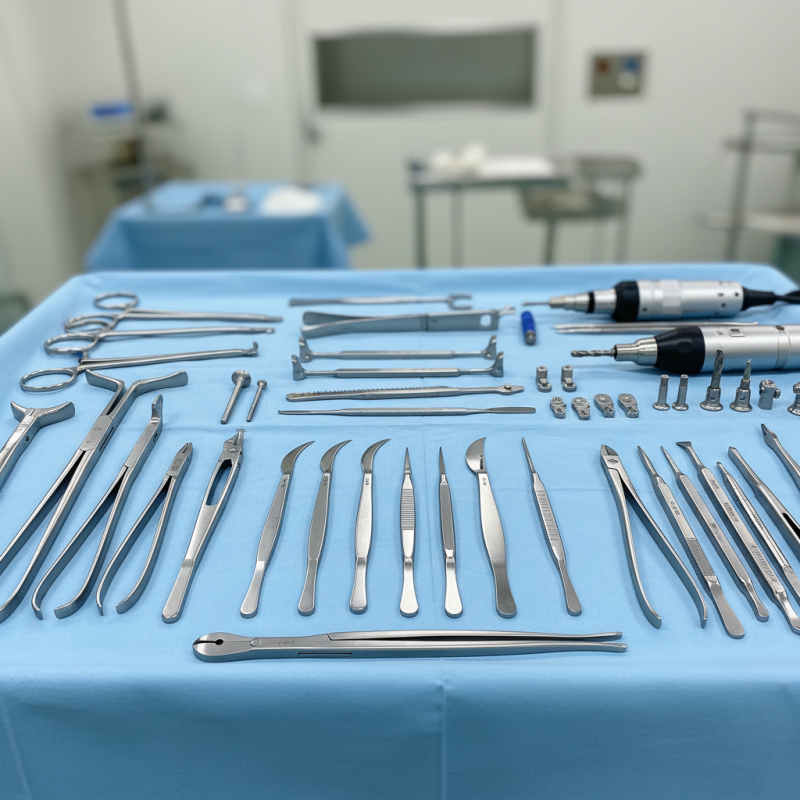
Essential Orthopedic Instruments for Surgical Procedures
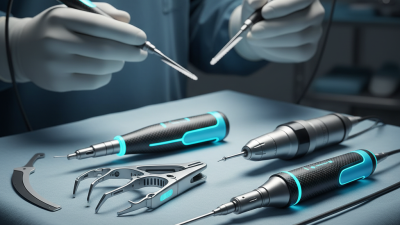
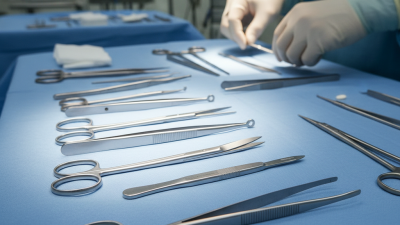
Orthopedic surgery requires a range of specialized instruments. Understanding these tools can improve surgical outcomes. Essential instruments include scalpels, scissors, and forceps. Each plays a vital role in performing precise incisions and handling tissues.
The use of retractors is crucial during operations. They hold back soft tissues, providing clear visibility of the surgical area. Bone saws are critical too, allowing surgeons to cut through different types of bone safely. Less commonly used tools also have importance. For example, osteotomes are necessary for shaping bone during a procedure.
Choosing the right instrument is an art, as each case is unique. Surgeons often reflect on their past experiences with different tools. Not every instrument works well in every scenario. Sometimes, adjustments are needed mid-surgery. Training and practice help build familiarity with each tool's strengths and weaknesses. The hands-on experience guides better decision-making in the operating room.
Commonly Used Hand Tools in Orthopedic Surgery
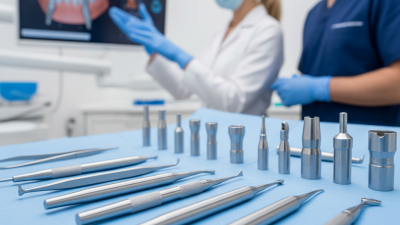
In orthopedic surgery, hand tools play a crucial role in procedure success. Surgeons rely on various instruments to perform tasks with precision. A report by the Orthopedic Surgery Journal indicates that specific tools are essential for different types of surgeries. For instance, bone saws are vital for cutting through dense bones.
Instruments like forceps and clamps are used frequently. These tools help secure tissues and manage bleeding. Notably, the use of retractors allows surgeons to access deeper structures while keeping incisions open. However, many surgical teams struggle with tool selection and maintenance. An analysis highlighted that approximately 30% of surgical delays are linked to instrument issues.
Surgeons must receive thorough training to effectively use these tools. The precision of surgery often depends on the correct application of instruments. Poor training or equipment familiarity can lead to complications. This area requires constant reflection and improvement within surgical teams. By understanding the instruments better, they can enhance efficiency and patient outcomes. Regular assessments of instrument usage in real-time could significantly improve surgical practices.
Advanced Technologies in Orthopedic Instrumentation
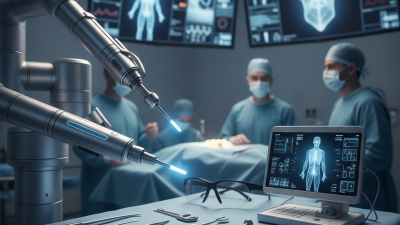
Advanced technologies are shaping the future of orthopedic instrumentation. The adoption of robotics and 3D printing is significant. According to a recent industry report, the orthopedic surgical robots market is expected to reach $4.8 billion by 2026, growing at a CAGR of 23.3%. This reflects the demand for precision and minimally invasive procedures.
Robotic systems enhance surgical accuracy. They allow for better alignment and implant placement. Surgeons can perform intricate procedures with reduced human error. Yet, the integration of such technologies poses challenges.
Training is essential. Not all surgical teams may adapt quickly to these innovations.
3D printing is also transforming orthopedic tools and implants. Custom implants can be created to match patient-specific anatomy. This personalization leads to improved outcomes. However, the technology must overcome regulatory hurdles. Quality assurance is crucial. Meeting safety standards takes time. The future of orthopedic instrumentation is promising but requires careful navigation of these complexities.
Innovative Devices for Fracture and Joint Management
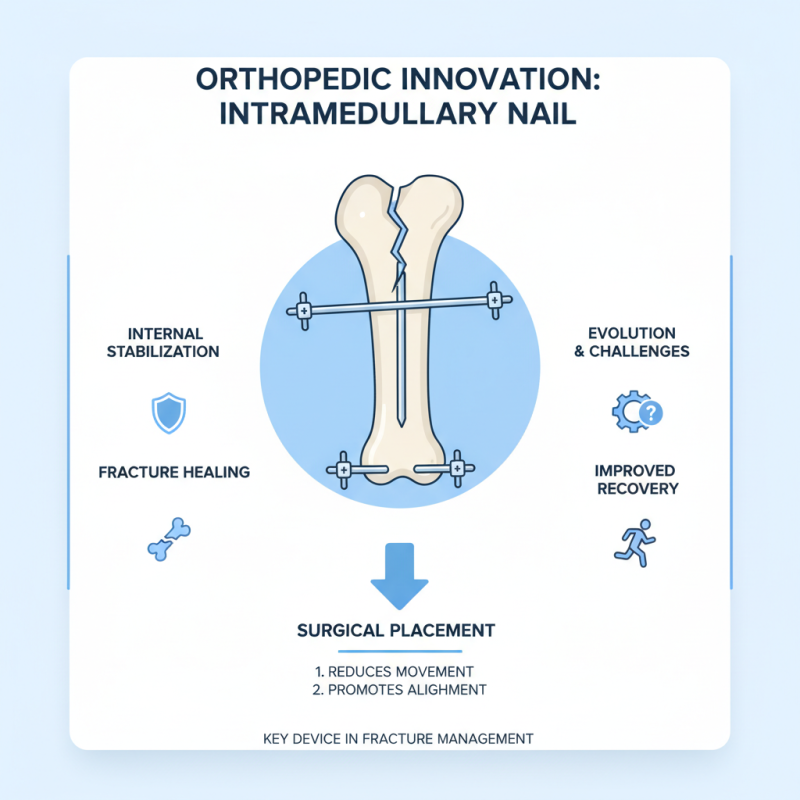
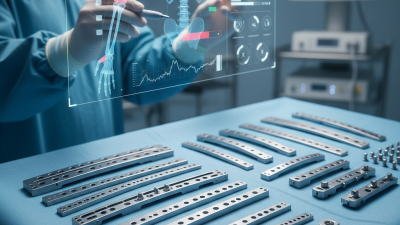
Orthopedic surgery relies on innovative devices for managing fractures and joints. These instruments play a crucial role in patient recovery. One common device is the intramedullary nail. It stabilizes fractured bones internally, allowing for better healing. Surgeons insert this rod into the marrow cavity. It reduces movement and promotes alignment. This device has evolved over time, but challenges remain.
Another essential tool is the external fixator. This device connects to the bone through pins and allows for stabilization outside the body. It is particularly useful for complex fractures. However, its application requires careful monitoring. There can be complications, such as infections at pin sites. Surgeons must remain vigilant.
Surgical navigation systems are also gaining popularity. They enhance precision during procedures. These systems rely on advanced imaging technology. They help surgeons visualize bone structures accurately. Still, they demand a steep learning curve. Some surgeons struggle to adopt these tools effectively. Balancing innovation with practical skills is vital in orthopedic surgery.
Maintenance and Sterilization of Orthopedic Instruments
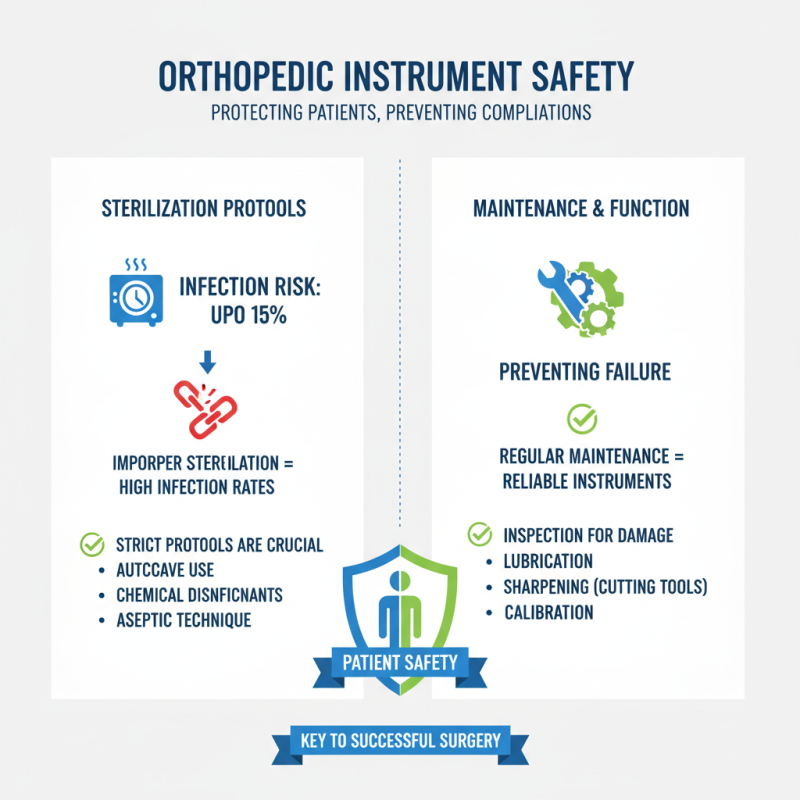
Maintaining and sterilizing orthopedic instruments is crucial for patient safety. A study shows that improper sterilization can lead to infection rates as high as 15%. This statistic highlights the importance of adhering to strict protocols. Regular maintenance is necessary to prevent instrument failure during surgery, which can compromise patient outcomes.
The process of sterilization often involves steam, ethylene oxide, or hydrogen peroxide. Each method has specific protocols and equipment needs. Research indicates that only 60% of clinics follow recommended sterilization guidelines consistently. This gap can jeopardize the efficacy of surgeries and increase healthcare costs.
Regular inspections and servicing can extend instrument life. Despite this, many healthcare facilities overlook preventive maintenance. Instruments that are not properly maintained may not work efficiently, leading to frustration for the surgical team. Reflecting on current practices can lead to improvements and better patient care.