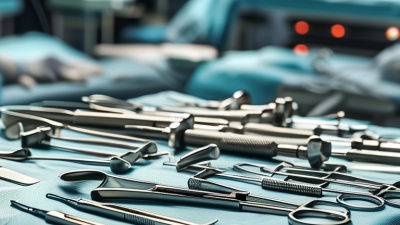
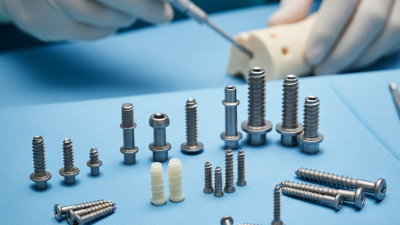
Choosing the right spine instrument begins with the procedure, not the product catalog. A lumbar decompression, cervical fusion, and minimally invasive fixation each demand different access, control, and visualization. The surgeon’s technique matters, too. A familiar instrument can feel safer than a sophisticated one used without adequate training.
Clinical teams should assess geometry, material quality, ergonomics, sterilization requirements, and compatibility with existing systems. A reliable spine instrument should provide stable handling under pressure, precise tip alignment, and clear tactile feedback. Small details matter. A locking mechanism that slips can interrupt a critical step. A handle that strains the wrist may affect accuracy during a long case.
Evidence should guide the decision. Review validated technical data, applicable regulatory documentation, published clinical experience, and the manufacturer’s instructions for use. Speak with surgeons, nurses, and sterile-processing staff before purchasing. Their observations often reveal problems that brochures omit. No instrument is universally ideal. That assumption deserves challenge. Trial evaluations, maintenance records, and staff training can expose weaknesses before routine use. Selection should also consider patient anatomy, anticipated complications, and backup tool availability. These factors help teams build a practical set rather than collect impressive but unnecessary devices. Product names and specifications can change, so current documentation must be checked before procurement. Final selection belongs to qualified clinicians and hospital purchasing processes. This guide explores these decisions with a cautious, experience-informed approach.
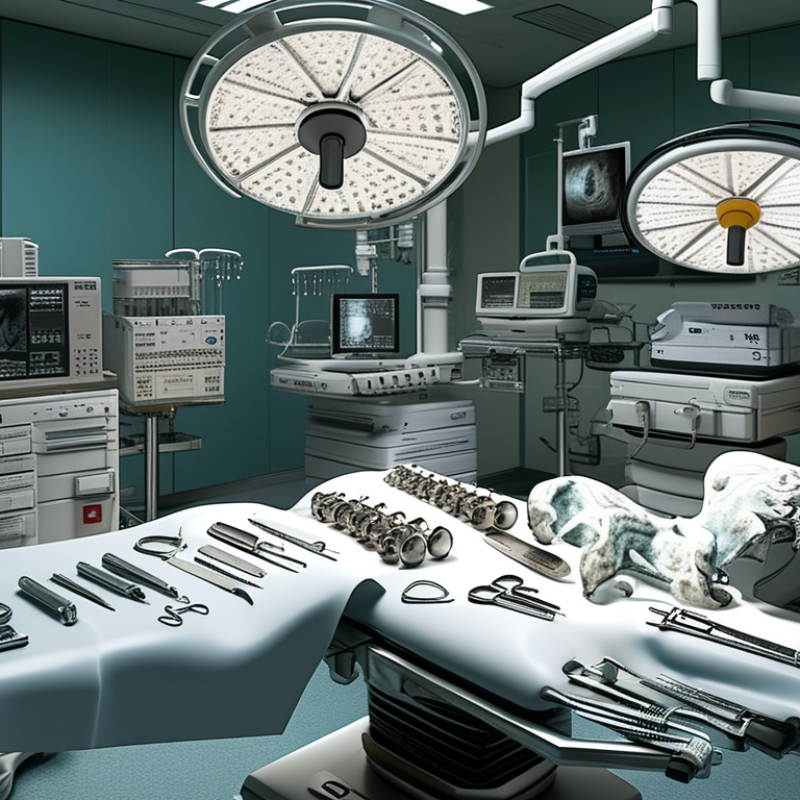
Spine instruments are not interchangeable. Each category supports a different clinical task, from exposure to final construct assessment. Access and discectomy tools help create a controlled working corridor around the disc or neural elements. Decompression instruments, such as rongeurs, curettes, and punches, remove bone or tissue with measured force. Fixation systems use drivers, taps, probes, and rod-contouring tools to support screw placement and alignment. Interbody instruments prepare the disc space and assist with implant delivery. Navigation or imaging-compatible tools can improve orientation, especially when anatomy is distorted.
Clinical role matters more than a crowded tray. A fixation driver may be excellent for torque control but unsuitable for delicate decompression. Tissue protection, handle ergonomics, tip visibility, and compatibility with imaging should be assessed before selection. Instrument length also matters; a deep approach may require reach without sacrificing control. The safest choice depends on the patient’s anatomy, surgical approach, and the team’s training. No single set fits every case. That assumption deserves reconsideration.
Tips: Match each instrument to one defined step. Check the manufacturer’s instructions and sterilization requirements. Confirm compatibility before the procedure. Open only what the planned technique requires, while keeping essential alternatives available. Review instrument condition under bright light; worn tips, loose joints, or damaged insulation can affect control. Ask the operating team what slowed the last procedure. Small workflow details often reveal larger selection problems.
Choosing spine instruments should begin with the operation, not the catalog. Define the surgical requirement before comparing instrument features. Is the procedure decompression, fixation, correction, or revision? Each goal demands different access, control, and visualization. A narrow approach may require slimmer instruments and precise angulation. A complex reconstruction may need stronger reduction tools and broader implant compatibility.
Anatomy changes the decision. Review imaging for pedicle width, bone quality, deformity, and previous hardware. Small pedicles can limit screw trajectory and instrument clearance. Osteoporotic bone may require careful handling and dependable tactile feedback. The patient’s positioning also matters. Instruments that work well in a prone lumbar procedure may feel awkward during a cervical or minimally invasive approach. Small details become important.
Procedural goals should guide the final selection. Consider working length, handle ergonomics, locking mechanisms, radiographic visibility, and ease of cleaning. Instruments should support controlled movements without obstructing the surgical field. In practice, trialing the set during a simulated workflow can reveal problems that specifications miss. A tool may appear efficient but slow the procedure when exchanged repeatedly. That happened in our planning more than once.
Avoid assuming that a larger set is automatically safer. Extra instruments can crowd the table and complicate readiness checks. Confirm compatibility with the planned implants and navigation system. Review institutional protocols, sterilization requirements, and staff familiarity. A second review is worthwhile. Anatomical findings can change after exposure, so the initial plan should remain adaptable.
Choosing spine instruments requires more than selecting stainless steel or titanium. Material affects strength, corrosion resistance, weight, and imaging behavior. Stainless steel usually tolerates repeated torque and sterilization well. Titanium reduces weight and may create fewer imaging artifacts. However, lighter is not automatically better. In my experience, a slim handle can feel unstable during a demanding correction. That detail deserves testing, not assumption.
Design features should match the procedure and the user’s hand. Check handle texture, ratchet control, jaw visibility, shaft length, and tactile feedback. A 2024 WHO Global Patient Safety Report estimates that one in ten patients experiences harm during healthcare, with over half considered preventable. Instrument handling and reprocessing cannot be separated from that risk. AAMI ST79 emphasizes validated cleaning, inspection, packaging, and sterilization workflows. Therefore, choose instruments with clear disassembly steps and accessible surfaces. Tiny hinges are easy to overlook.
Compatibility is often the hidden failure point. Confirm connector geometry, working length, torque limits, imaging requirements, and compatibility with existing trays. Modular systems may reduce inventory, but mismatched adapters can introduce play. That can affect screw placement and surgeon confidence. Review the manufacturer’s instructions for use, then test the complete set in a simulated workflow. The FDA’s recognized consensus standards include material and biocompatibility requirements, but compliance does not guarantee clinical convenience. I would also document rejected options and why they failed. That record may expose a weak assumption before surgery.
Selecting spine instruments starts with the procedure, not the catalog. A practical review checks tip geometry, shaft balance, visibility, and imaging compatibility. During trials, record hand force, wrist angle, and grip changes after repeated passes. Small discomfort matters. NIOSH identifies force, repetition, and awkward posture as major ergonomic risks in healthcare work. That guidance supports balanced, textured handles rather than simply lighter instruments. Weight alone misleads.
Sterilization begins at purchase. WHO’s 2022 Global Report on Infection Prevention and Control estimated that 7 of every 100 acute-care patients in high-income countries acquire a healthcare-associated infection. The estimate rises to 15 of 100 in low- and middle-income countries. CDC guidance classifies instruments entering sterile tissue as critical items requiring sterilization. Select designs with accessible joints, visible channels, and clear disassembly instructions. AAMI ST79 also emphasizes validated cycles, routine monitoring, and complete sterilization records. Follow the manufacturer’s validated processing instructions. Never improvise.
Maintenance deserves the same attention as surgery. Inspect cutting edges, locks, insulation, and alignment after every use. Look for hairline corrosion under bright light. Keep repair histories linked to instrument identifiers. A candid review should admit that familiar instruments can hide gradual failure. Tray audits may also miss damage between cases. Ask technicians what repeatedly returns for repair. Their experience often exposes ergonomic or cleaning problems earlier than purchasing data.
Choosing spine instruments should begin with evidence, not a crowded catalogue. The World Health Organization’s 2023 low back pain report estimated 619 million cases worldwide in 2020, with projections reaching 843 million by 2050. This growing clinical burden demands reliable, procedure-specific tools. Review peer-reviewed studies, postoperative outcomes, and complication patterns before selecting implants, retractors, or navigation accessories. Evidence matters.
Standards provide a practical filter. ISO 13485 supports controlled quality systems, while ISO 14971 guides medical-device risk management. Ask whether each instrument has clear traceability, validated cleaning instructions, and consistent performance data. In the operating room, a handle should remain secure with wet gloves, and a small trial component should be easy to identify under pressure. These details are easy to underestimate.
Team experience completes the decision. Surgeons, nurses, sterile-processing staff, and purchasing specialists should test the instruments together. Record setup time, visibility, fatigue, tray weight, and learning curves. AHRQ safety guidance repeatedly emphasizes standardized processes and communication, not individual preference alone. Still, our judgments can be imperfect. Familiar tools may feel safer without producing better results. That deserves honest review. Run a limited evaluation, compare outcomes, and revise the set when evidence or workflow changes.