


How to Choose Reliable Implant Supplies for Your Clinic?
Choosing reliable implant supplies is not a simple purchasing task. The implant, abutment, instruments, and restorative components must work together as a documented system. Small details matter: a legible lot number, intact packaging, clear instructions, and dependable access to compatible components. A polished catalog can still hide a weak process. That is worth admitting.
Clinical evidence helps put procurement decisions in perspective. A systematic review by Jung and colleagues, published in Clinical Oral Implants Research in 2012, reported five-year survival rates of 97.2% for implant-supported single crowns’ implants and 96.3% for the crowns themselves. These results do not prove that one supplier or product causes better outcomes. They do underline why clinics should assess product documentation, component compatibility, and supplier support—not price alone. Implant educator Carl E. Misch wrote, “The goal of modern dentistry is to restore the patient to normal contour, function, comfort, esthetics, speech, and health.” That clinical goal depends on careful planning as well as materials.
Ask suppliers for traceability records, product specifications, storage guidance, and a clear process for handling defects or back orders. Check that the parts match the systems your clinicians actually use. Keep the paperwork. It matters. A checklist can reduce oversights, but it cannot replace clinical judgment or staff training. Reliable implant supplies support a consistent workflow; they cannot guarantee a successful result.
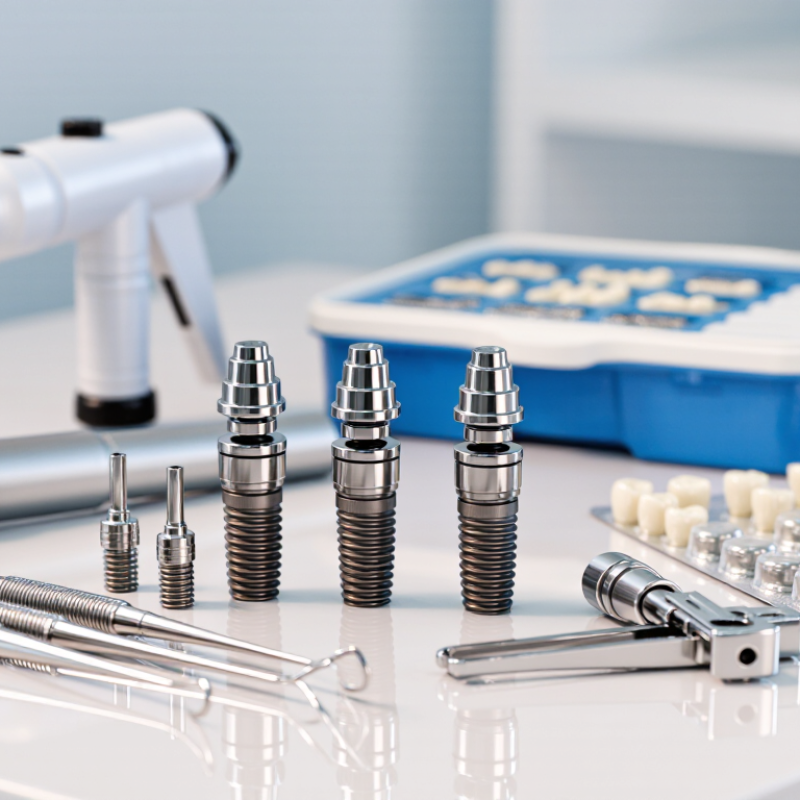
Define Your Clinic’s Implant Supply Requirements
Define your implant supply requirements from actual treatment patterns, not a broad market estimate. The WHO’s 2022 Global Oral Health Status Report estimates that oral diseases affect nearly 3.5 billion people worldwide, with severe periodontal disease affecting about 1 billion. These figures describe oral-health needs, not implant candidates. Small distinction. Review your clinic’s recent cases: implant dimensions, connection types, grafting frequency, healing components, and prosthetic parts used. Record what was opened, placed, returned, or expired. A full-looking tray may still lack one compatible screw.
A 2015 systematic review in the International Journal of Oral and Maxillofacial Surgery reported pooled 10-year implant survival of 94.6% across included studies. That long horizon makes compatibility and replacement-part availability worth considering, but it does not predict your clinic’s demand. Build a written minimum-stock list around your case mix and verify each item against the relevant system documentation. Separate routine-use components from rarely used options. Track monthly usage and delivery times, then adjust quantities rather than ordering by instinct. I would keep a modest buffer for delays; forecasts are rarely tidy. Review the list with the clinicians who place and restore implants, because the purchasing record may not show what a procedure actually needs.
How to Choose Reliable Implant Supplies for Your Clinic?
Define Your Clinic’s Implant Supply Requirements by documenting the products, quantities, compatibility checks, and handling procedures your team needs.
| Supply Dimension | What to Define | Example Requirement | How to Verify |
|---|---|---|---|
| Procedure volume | Estimate the number and types of implant procedures performed over a typical month and identify seasonal or planned changes. | A clinic performing about 20 implant procedures per month can use recent case records as a starting point for its forecast. | Review procedure logs and update the estimate regularly with the clinical and purchasing teams. |
| Implant system compatibility | List the implant systems used in the clinic and confirm which components are approved for each system. | Maintain a system-specific list for implants, cover screws, healing abutments, restorative components, and compatible instruments. | Check manufacturer documentation and product labeling. Do not assume components from different systems are interchangeable. |
| Sizes and configurations | Record the diameters, lengths, connection types, and other configurations the clinicians routinely require. | Build the stock list from the clinic’s documented case mix rather than ordering the same quantity of every size. | Compare requested configurations with treatment plans and verify catalog identifiers before ordering. |
| Core and procedure-specific items | Separate routinely used supplies from items needed only for selected procedures or clinical situations. | Track implants and commonly used components separately from items such as grafting materials or specialized instruments. | Ask clinicians to review the list and confirm that each item has a defined clinical use and storage location. |
| Stock levels and reorder points | Set minimum stock levels using expected usage, delivery lead time, and the clinic’s chosen safety buffer. | A basic planning method is: expected use during lead time + a defined buffer. Adjust the calculation using actual usage and supplier delivery history. | Review stock on hand, open orders, usage, and expiry dates at a scheduled interval; document who can approve reorders. |
| Traceability and records | Define how product identifiers and relevant lot or serial information will be recorded for each case. | Capture applicable product identifiers in the patient record according to the product labeling and clinic policy. | Check that receiving records, package labels, and patient records can be matched when needed. |
| Sterility and packaging | Specify required sterile status, intact packaging, and handling steps for the products being purchased. | Use sterile products as labeled and do not use items with damaged packaging or compromised sterility indicators. | Inspect packaging and labeling at receipt and before use; follow the manufacturer’s instructions for handling. |
| Storage and expiry control | Identify required storage conditions, inventory rotation practices, and checks for expiration dates. | Store products according to their labeling and rotate stock so that items with earlier expiry dates are used first when appropriate. | Record receipt and expiry information, keep storage areas organized, and remove expired or unsuitable items from usable stock. |
| Documentation and purchasing checks | List the product documentation needed for purchasing, receiving, and clinical use in the clinic’s jurisdiction. | Confirm that labeling, instructions for use, and applicable regulatory information are available for the specific product. | Use an approved purchasing checklist and retain relevant records in accordance with clinic policy and local requirements. |
| Delivery reliability and contingency | Define acceptable delivery times and a plan for delays, backorders, or urgent replenishment. | Identify which supplies are essential for scheduled cases and set a process for checking availability before confirming treatment dates. | Track actual delivery performance and maintain a documented escalation or rescheduling process for shortages. |
| Staff responsibilities | Assign responsibility for ordering, receiving inspections, stock counts, and expiry checks. | Use a named role for each task, with a backup person and a written procedure for handovers. | Review the procedure with relevant staff and record training or process updates according to clinic policy. |
Planning note: Example quantities and workflows should be adapted to the clinic’s procedure volume, product labeling, applicable regulations, and clinician-approved protocols. Follow the manufacturer’s instructions for use for each product.
Related Posts
-

How to Use Bone Plates for Optimal Healing and Recovery?
-

Why Choose Orthopedic Surgical Devices for Hospitals?
-

Top 10 Orthopedic Surgical Instruments You Need to Know?
-
What are Orthopedic Implants Instruments and Their Uses?
-

Top 10 Surgical Items Every Medical Professional Should Know About?
-

Why Are Bone Screws Essential in Modern Orthopedic Surgery?