How to Choose the Best Orthopedic Medical Supplies for Your Needs?
Choosing the right orthopedic medical supplies is crucial for your health and recovery. With countless options available, it can be overwhelming to navigate this field. Understanding your specific needs is the first step to making an informed decision. Look for products that reflect quality and comfort. Engaging with healthcare professionals can assist greatly in this process. They bring experience and expertise that can guide you towards the best choices.
Orthopedic medical supplies include a range of products, from braces to mobility aids. Each item serves a unique purpose, and selecting the right one is essential. Consider factors such as your condition, activity level, and personal preferences. It’s important to ask questions and reflect on what’s being offered. Sometimes, the most popular items may not suit your needs.
Remember, this journey can be a learning experience. You may find that certain supplies don't work as expected. It’s okay to seek alternatives. Your well-being should always come first. Take your time, do your research, and trust what feels right. Making the right choice in orthopedic medical supplies is about finding a balance between efficacy and comfort.

Understanding Your Specific Orthopedic Needs
Understanding your specific orthopedic needs is crucial when selecting medical supplies. According to the American Academy of Orthopaedic Surgeons, nearly 31 million Americans suffer from osteoarthritis. Identifying the type and severity of your condition allows for better choices in braces, supports, or mobility aids. Consulting with a healthcare professional can provide insights tailored to your situation.
When considering orthopedic supplies, think about function and comfort. Some items may look appealing but not serve your needs effectively. Statistics show that improperly fitted braces can lead to further complications. Testing products, if possible, ensures they meet your requirements without causing discomfort or hindrance. Look for items with adjustable features, as they offer a customized fit.
It’s essential to educate yourself on materials used in orthopedic supplies. Some might cause skin irritation or allergies. Pay attention to labels for any potential concerns. Speak with others who have similar issues; their experiences can guide your choices. Prioritize quality over price—this can save costs in the long run. Always stay informed and willing to adjust your selections as your condition evolves.
Types of Orthopedic Medical Supplies Available
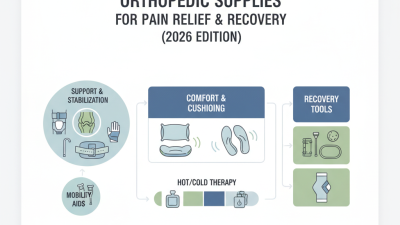
When selecting orthopedic medical supplies, understanding the variety is essential. These supplies range from braces and supports to orthopedic footwear and rehabilitation equipment. A study by the American Academy of Orthopaedic Surgeons indicates that over 30 million Americans use some form of orthopedic assistance. This highlights the importance of choosing the right products based on individual needs.
Braces and supports are among the most common supplies. They provide stability and help reduce pain in injured areas. Options include knee braces, ankle supports, and back braces. The right fit can significantly influence recovery. Orthopedic footwear is essential for those with chronic foot issues. Custom-made shoes can alleviate pressure and prevent further complications.
Rehabilitation equipment is crucial for post-surgery recovery. Items like resistance bands, exercise balls, and mobility aids assist in regaining strength and flexibility. Not all supplies fit every condition, and individuals may face challenges in selecting appropriate items. Consulting with healthcare professionals ensures informed choices are made based on specific needs and conditions. This holistic approach aids in faster and safer recovery.
Factors to Consider When Selecting Orthopedic Supplies
When selecting orthopedic supplies, consider your specific needs. Assess the type of injury or condition you have. Different injuries require different supports. For example, a knee brace may suit an athletic injury, while a back support aids chronic pain. Knowing your needs helps narrow your choices significantly.
Think about comfort and fit. Some items can be bulky or restrictive. Look for materials that feel good against your skin. Consult with a healthcare professional if you're unsure about sizes or types. Their insights can help steer you toward effective options.
Review the level of support each product provides. Too much support can hinder movement. Too little can lead to further injury. It’s important to find the right balance. Research user reviews and expert recommendations to ensure you make informed decisions. Remember that what works for others may not work for you. It’s a personal journey to find what truly fits your needs.
Evaluating the Quality and Reliability of Products
When selecting orthopedic medical supplies, quality and reliability are paramount. Look for products that meet international safety standards. Check for certifications that signify a product's compliance with health regulations. A well-constructed item enhances durability and performance. Consider the materials used. High-quality materials often translate to better support and comfort.
User reviews can offer insights into reliability. Pay attention to feedback that highlights both strengths and weaknesses. A product may receive praise for comfort but criticism for durability. Balance these perspectives when making your choice. Sometimes, perceived quality may not match actual performance.
Think about the warranty or return policy. A strong policy indicates that the manufacturer stands behind their product. This reflects a commitment to customer satisfaction and product reliability. Reflect on whether you need adaptive features. Items designed with extra functionalities may provide better long-term support. However, they can be more complex. It’s important to find a balance that meets your specific needs without overwhelming you with unnecessary options.
Consulting Healthcare Professionals for Recommendations
When selecting orthopedic medical supplies, consulting healthcare professionals is crucial. Their insights can guide you to the right products based on your specific needs. According to a recent report from the National Institutes of Health, nearly 150 million Americans suffer from chronic musculoskeletal pain. This statistic highlights the importance of effective orthopedic solutions.
Healthcare providers, such as physical therapists and orthopedic surgeons, possess extensive knowledge in this field. Their recommendations are often based on clinical evidence and personal experience. For instance, a report from the American Academy of Orthopedic Surgeons stated that tailored advice can significantly improve patient outcomes by 30%. Engaging with these professionals can help narrow down options in a crowded market.
Understanding your condition is another key factor. Health practitioners can assess your unique situation and suggest products that might not be widely known. Some patients report confusion over the multitude of available options, leading to misinformed choices. This variability emphasizes the need for professional input to navigate potential pitfalls. Ultimately, expert guidance fosters informed decision-making, ensuring that your orthopedic supplies effectively support your health and well-being.