What Are the Best Orthopedic Supplies from China?
Choosing the best orthopedic supplies from China requires more than comparing catalog prices. Hospitals, distributors, and rehabilitation centers must examine materials, manufacturing controls, documentation, and clinical suitability. A knee brace should feel supportive without cutting into the skin. A walking aid should remain stable on smooth clinic floors and uneven home surfaces. Small details often influence patient safety.
William J. Mayo, MD, a respected surgical-care pioneer, stated, “The best interest of the patient is the only interest to be considered.” This principle remains valuable when evaluating Chinese orthopedic supplies. Buyers should review ISO 13485 certification, applicable regulatory clearances, batch traceability, inspection reports, and supplier experience. They should also request samples before placing large orders. A polished website proves little. Clear records matter more.
China offers a broad manufacturing base, including braces, casts, crutches, mobility supports, orthopedic instruments, and rehabilitation products. Some factories provide excellent engineering and consistent quality. Others may require closer supervision. The difference can appear in stitching, hinge alignment, packaging, or the accuracy of size markings. It is easy to focus too heavily on low prices. That can be a mistake. Shipping delays, inconsistent batches, and poor after-sales support can quickly erase the savings.
This guide examines practical selection criteria, reliable product categories, and supplier questions. It also recognizes an uncomfortable truth: no supplier is perfect. A strong decision combines evidence, clinical feedback, independent inspection, and careful reflection. That approach helps buyers select orthopedic supplies that are safe, usable, and appropriate for real patients.
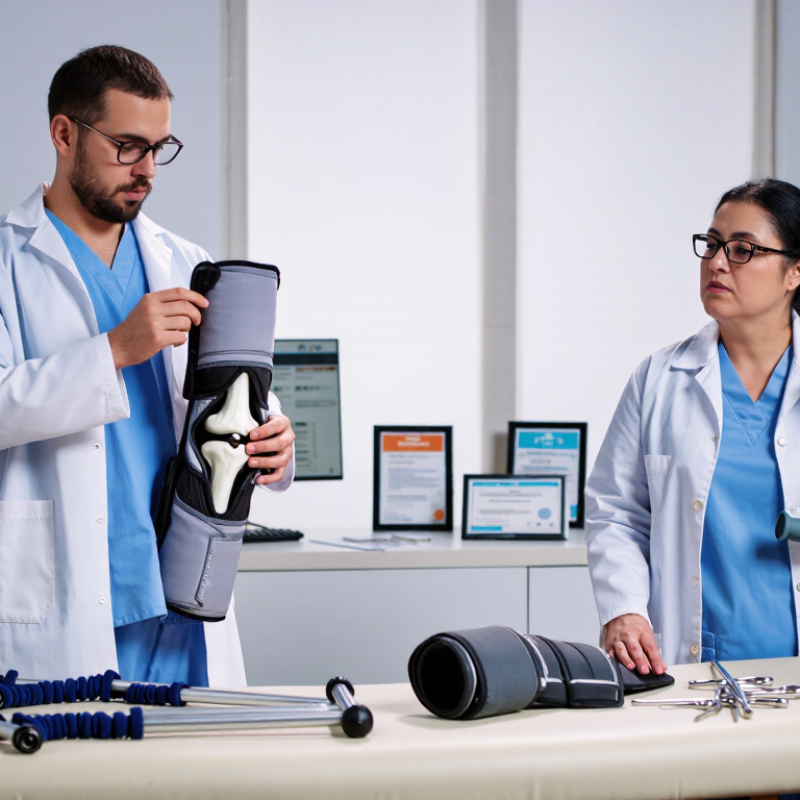
Orthopedic Supplies Defined: A Market Serving 2.4 Billion Rehab Needs
What Are the Best Orthopedic Supplies from China?
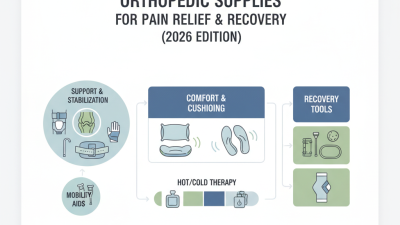
Orthopedic supplies support a rehabilitation market serving about 2.4 billion people worldwide. This estimate reflects a major need, not a simple sales opportunity. Products include braces, walking aids, compression supports, splints, and rehabilitation accessories. The best options from China combine safe materials, stable sizing, clear instructions, and practical comfort. A knee brace should flex with movement, while a walker should remain steady on uneven clinic floors. Small design details matter.
Experienced buyers should review material specifications, load testing, size charts, and production controls. Quality systems, such as ISO 13485 certification, can support supplier evaluation, but certificates alone do not prove product performance. Request samples and assess stitching, hinges, fasteners, skin contact, and cleaning instructions. Independent testing may be necessary for higher-risk products. Costs can be attractive. However, inconsistent batches remain a concern in some supply chains.
Tips: Compare samples from several suppliers. Ask for test reports and traceable production records. Confirm packaging protects products during humid shipping. Check whether instructions are understandable for patients and caregivers. Do not choose by price alone.
The 2.4 billion figure also deserves reflection. Rehabilitation needs differ across ages, injuries, income levels, and healthcare systems. A product designed for one population may fail another. Even a well-made brace can cause discomfort when sizing is poorly explained. Suppliers should welcome feedback, improve documentation, and treat clinical usability as seriously as manufacturing efficiency.
Which Chinese Products Lead: Braces, Supports, Mobility Aids, and Implants
China’s orthopedic supply sector is strongest where scale meets practical design. Braces and supports often use breathable knitted fabrics, adjustable straps, and lightweight thermoplastic panels. These details matter after eight hours of movement, not only during a factory inspection. The World Health Organization’s Global Report on Assistive Technology (2022) estimates that more than 2.5 billion people need assistive products worldwide. Demand may reach 3.5 billion by 2050. Chinese manufacturers are well positioned to serve this volume, especially with knee braces, spinal supports, wrist splints, and postoperative immobilizers.
Mobility aids show similar advantages. Aluminum walkers, forearm crutches, transfer chairs, and folding wheelchairs can offer competitive weight and cost. China’s National Bureau of Statistics recorded 296.97 million residents aged 60 or above in 2023, representing 21.1% of the population. That demographic increases demand for safer home mobility. Still, low price should never replace testing. Buyers should check load ratings, brake performance, corrosion resistance, packaging, and traceability records. Small failures can cause large injuries.
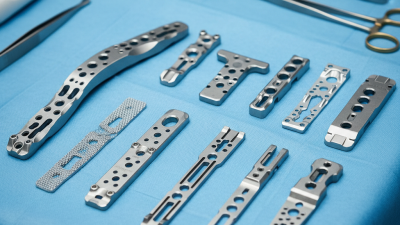
Orthopedic implants require stricter judgment. Titanium and cobalt-chromium components need verified material certificates, dimensional controls, sterilization evidence, and documented clinical evaluation. A supplier’s catalog is not proof of clinical reliability. Independent audits and batch-level records matter more. Some Chinese factories provide strong engineering and rapid customization, but quality can vary between suppliers. That uncomfortable fact deserves attention. Product registration, ISO 13485 systems, and destination-market compliance should be reviewed before purchasing.
Quality Gateways: ISO 13485, ISO 10993, CE MDR, and FDA 510(k)
When evaluating orthopedic supplies from China, quality begins beyond product appearance. A polished brace or surgical accessory may still hide weak controls. ISO 13485 shows that the manufacturer operates a medical-device quality system. It covers design records, risk management, complaints, and corrective actions. Ask for the certificate scope and expiration date. One certificate may not cover every product. That detail matters.
Tips: Request recent audit evidence, not only a certificate scan. Check supplier qualification, incoming-material inspection, batch traceability, and change-control procedures. For patient-contacting products, ISO 10993 testing helps assess biological safety. Testing should match contact duration and tissue type. Do not accept generic reports without product identification. Paperwork can look complete while production materials differ. That is a serious gap.
For products entering Europe, CE marking under EU MDR requires technical documentation, clinical evaluation, and post-market surveillance. A notified body may be required, depending on device classification. In the United States, FDA 510(k) clearance addresses substantial equivalence to a legally marketed device. It does not mean every overseas factory is FDA approved. Verify the exact manufacturer, device description, and clearance status. Request samples from the same controlled production line. Keep communication documented. Small discrepancies deserve investigation. A lower price is not a quality measure.
How to Compare Products: Load Ratings, Sizes, Materials, and Clinical Data
What Are the Best Orthopedic Supplies from China?
Comparing orthopedic supplies requires more than checking the lowest quotation. Start with load ratings, and ask how they were measured. A brace rated for 100 kilograms may perform differently during walking, lifting, or repeated bending. Look for static tests, fatigue cycles, safety factors, and clear test conditions. A tidy datasheet is not always enough.
Size accuracy matters in daily clinical use. Measure the intended body area, then compare those measurements with the supplier’s fitting range. Check adjustment points, padding thickness, hinge alignment, and movement limits. Small errors can create pressure near the knee or ankle. I have learned that “standard size” often hides uncomfortable variation. Request samples from several production lots.
Material details deserve equal attention. Confirm the alloy, polymer, textile, coating, and expected cleaning method. Ask for biocompatibility information when the product contacts skin for long periods. Corrosion tests and durability records can reveal weaknesses that photographs miss. Clinical data should identify study dates, patient numbers, outcome measures, and follow-up periods. Independent evaluations are more useful than vague performance claims. Verify manufacturing controls, lot traceability, inspection records, and complaint handling. Some suppliers provide strong laboratory results but limited real-world evidence. That gap should remain visible during purchasing decisions.
How to Vet Chinese Suppliers: Audits, Traceability, MOQ, Lead Time, and Cost
For orthopedic supplies from China, an attractive quote is not enough. Ask for the supplier’s legal scope, quality certificates, audit history, and corrective-action records. The ISO Survey 2023 reported more than 30,000 ISO 13485 certificates worldwide. Certification helps, but it does not prove consistent production. During an audit, inspect incoming-material checks, calibration labels, worker training, process validation, and complaint handling. Request a traceability demonstration. Can the factory connect one finished lot to raw materials, operators, inspection results, and shipping records? A five-minute recall exercise can reveal weak systems.
MOQ, lead time, and cost need practical testing. Ask for MOQ by SKU, size, color, packaging type, and customization level. Confirm whether the quoted lead time starts after deposit, artwork approval, or material purchasing. Get separate figures for samples, tooling, sterilization, packaging, inspection, freight, and insurance. The World Bank’s 2023 Logistics Performance Index gave China a 3.7 out of 5 score and ranked it 19th among 139 economies. Logistics are capable, but delays still occur around factory scheduling and ports. Keep a buffer. I once trusted a supplier’s “ready stock” statement without checking lot dates; the saving disappeared during reinspection. A pilot order with defined acceptance criteria is safer than a large first shipment. Lower cost can conceal higher verification risk.
How to Vet Chinese Orthopedic Supply Suppliers
This illustrative buyer scorecard assigns the greatest weight to quality and regulatory evidence, followed by traceability and supplier audits. MOQ, lead time, and landed cost should be evaluated only after compliance and product safety requirements are verified.