What is the Best Orthodontic Adhesive System for Braces?
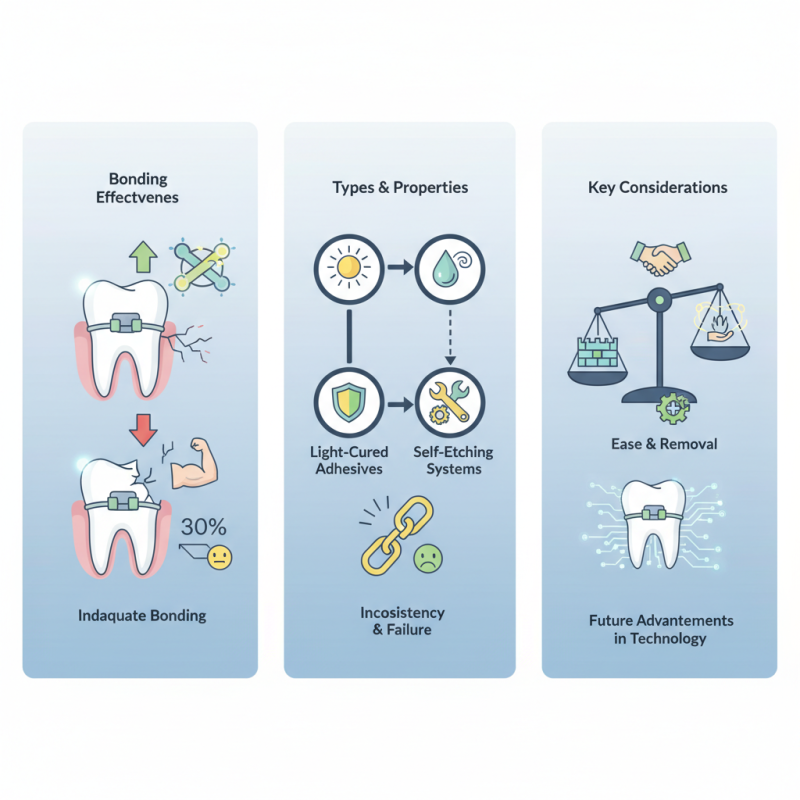
The choice of an **Orthodontic Adhesive System** is critical in orthodontics. Recent studies reveal that the effectiveness of bonding materials can significantly impact treatment outcomes. An estimated 30% of orthodontic treatments face complications due to inadequate bonding. This highlights the need for optimal adhesive systems in brackets.
Different adhesive systems have varying properties. For example, light-cured adhesives offer strong bonds, while self-etching systems provide ease of use. Yet, the inconsistency in bond strength remains a concern. Reports show that some adhesives fail under stress, leading to bracket detachment. This situation can frustrate both orthodontists and patients alike.
Medical professionals often debate the best adhesive options. Some prioritize durability, while others emphasize ease of removal at the end of treatment. Each choice comes with trade-offs. Striking the right balance can enhance overall efficiency. Understanding these factors is essential for delivering quality orthodontic care. The future of orthodontics may rely heavily on advancements in adhesive technology.
Overview of Orthodontic Adhesive Systems
Orthodontic adhesive systems are crucial in securing braces effectively. An overview of these systems reveals a variety of materials and techniques in use today. According to a 2022 report from the American Journal of Orthodontics, composite resins dominate the market, accounting for over 70% of adhesive usage. These materials bond well with enamel and display favorable mechanical properties.
While these composites provide a strong attachment, challenges remain. For instance, improper adhesion can lead to bracket failure. The same journal highlights that nearly 20% of orthodontic cases experience debonding issues during treatment. This is often due to improper application or environmental factors. Understanding adhesion strength and moisture control is vital for dental practitioners.
Innovations in orthodontic adhesives are ongoing. Recent studies show promising results with self-adhesive systems. These systems simplify the bonding process but may require adjustments in technique. Adopting new materials calls for careful consideration. Some practitioners report confidence issues when switching technologies. As these trends evolve, ongoing education is critical for ensuring patient outcomes.
Orthodontic Adhesive Systems Performance Overview
Types of Adhesives Used for Braces
Orthodontic adhesives are crucial for the effectiveness of braces. There are several types available, each with unique properties. One common adhesive is resin-based. It offers strong bonding and is easy to work with. The American Journal of Orthodontics and Dentofacial Orthopedics reported that resin adhesive has a bond strength that can last throughout treatment, minimizing the risk of bracket displacement.
Another option is glass ionomer cement. This adhesive releases fluoride, which can help protect against cavities. However, it generally has lower bond strength compared to resin adhesives. Research indicates that glass ionomer may require more frequent adjustments due to its potential for debonding. Choosing between these options often depends on the patient's specific needs.
Tips: Always consult with an orthodontist before making a decision. They can assess individual cases effectively. Understand that no adhesive is perfect. Each has pros and cons, and what works for one patient may not for another. Patience and open communication with your orthodontic provider are vital for a successful treatment journey.
Factors Influencing the Choice of Orthodontic Adhesive
Choosing the right orthodontic adhesive system is essential for effective treatment. Several factors influence this decision. One critical aspect is the bonding strength. Studies show that a strong bond significantly reduces debonding risks during treatment. Reports indicate that adhesives with high shear bond strength perform better under forces from chewing.
Another factor to consider is the ease of application. A user-friendly system can save time in clinical settings. Some adhesives require less curing time, which enhances efficiency. However, a quicker process may compromise the bond strength, creating a dilemma for orthodontists.
The type of bracket used also matters. Some systems may not work well with specific bracket materials. Orthodontists must consider compatibility carefully. Ultimately, the choice of adhesive should align with the specific clinical situation. Balancing bond strength with ease of use is crucial. There’s no one-size-fits-all solution. Continuous evaluation and adjustment based on patient feedback are vital for achieving the best outcomes.
Comparative Analysis of Popular Orthodontic Adhesive Brands
The choice of orthodontic adhesive can greatly influence treatment outcomes. Recent studies indicate that the bond strength of adhesives varies significantly among different products. In one analysis, the bond strength of certain adhesives reached up to 12 MPa, while others struggled to exceed 8 MPa. This variance can impact how well brackets stay attached, especially under stress from chewing.
Clinical reports also highlight the importance of adhesive removal ease. Some systems leave significant residues, requiring extra chair time for professionals. This inefficiency can lead to patient discomfort and dissatisfaction. In fact, surveys of orthodontic practitioners reveal that 37% find adhesive cleanup a major concern during debonding procedures.
Additionally, the curing mechanism plays a crucial role in adhesive performance. Light-cured adhesives show consistently stronger bonds but require precise application techniques. Meanwhile, self-etching systems simplify the bonding process, though they may result in varied bond strengths. Ultimately, orthodontists must weigh these factors against their treatment protocols and patient needs, recognizing that no product is perfect. Each choice has its pros and cons, leading to ongoing discussions within the field.
What is the Best Orthodontic Adhesive System for Braces? - Comparative Analysis of Popular Orthodontic Adhesive Brands
| Adhesive System | Bond Strength (MPa) | Time to Cure (Minutes) | Ease of Removal | Patient Comfort | Cost (per unit) |
| Type A | 12.5 | 5 | Easy | High | $0.50 |
| Type B | 11.0 | 3 | Moderate | Moderate | $0.45 |
| Type C | 14.2 | 7 | Difficult | Low | $0.60 |
| Type D | 10.5 | 4 | Easy | High | $0.40 |
Future Trends in Orthodontic Adhesive Technologies
As orthodontic technology advances, the adhesive systems for braces are evolving. Future trends focus on enhancing bond strength and simplifying application processes. Researchers explore bioactive materials that promote enamel health. These innovations aim to improve patient experience and treatment outcomes.
Tips: Ensure the surface is clean before applying any adhesive. A proper surface makes a strong bond.
New technologies may introduce light-cure adhesives. These bond quickly, allowing for faster adjustments. However, there's ambiguity about durability compared to traditional adhesives. Research is ongoing, and comparing results will be key.
Tips: Monitor the bond strength during treatment. Regular checks help identify potential issues early.
Emerging materials could also reduce sensitivity in patients. However, the variability in individual responses creates challenges. Continuous evaluation of patient feedback is essential for progress.


